Design of New Words
The Generating Idea of Represented Forms
- Design of New Words
- The Generating Idea of Represented Forms
- Notes from a Future Past
- [1] [2] [3] [4] [5] [6] [7] [8]
The Generating Idea of Represented Forms
In the original territory of proportionality
the human being perceives only a part of their own nature. The investigations conducted so far have turned mainly to the visual dimension, entrusting to the eye the task of deciphering what instead belongs to a much broader sensory and intellectual system. The Idea, before becoming form, dwells in a region of being that precedes perception: an ontological space in which the physical body and the mental body intertwine and open up to the human being an immense sphere of possibilities. The representation of the real as well as of the imaginary is, in this sense, a repertoire of worlds.
Note [1]
When we describe an event that has already taken place, we generate a second image: an echo of its physical presence. When, instead, we represent what belongs to memory or imagination, we give body to facts still awaiting their incarnation. Drawing, then, is a medium of passage: it allows the Idea to emerge from its primal state and to assume a physical‑representational form. In architecture, this passage constitutes the threshold between thought and construction: the line that is drawn both describes and anticipates space; the project depicts the building and, in the same gesture, symbolically establishes it even before it exists materially.The generative idea of represented forms.
Note [2]
The passage from the Idea to form is a generative event, a fertile fracture that opens the space of incarnation.
Between Idea and matter, an interval unfolds in which the concept exposes itself to the diversities of the physical world and, dissolving as pure abstraction, it finds itself again as presence, as a body that participates in the gravity, finitude, and temporality of matter.
The represented form crosses the threshold of the real and becomes a tangible body, an entity that assumes weight and duration.
In this crossing, architecture reveals its deepest truth: it applies an order that unfolds as incarnation, as the rooting of a measure that sinks into meaning and becomes dwelling.
Measure settles into matter, allows itself to be traversed by time, becomes place.
To inhabit means to recognize oneself in a form in which the Idea is fulfilled as world; it means entering into resonance with that which, traversing matter, finds body.
It is participation in an order that becomes presence, an order that, in becoming architecture, returns to humanity the memory of its origin.
Note [3]
The search for supreme forms, those that aesthetics recognizes as bound to cosmic phenomena, rests on a principle of resonance between the universe and the human being.
The measurements of God’s temple, transmitted to David by the Spirit, testify to this continuity: architectural form as the emanation of a higher order.
Here, the temple is both building and constructed cosmology, an image of the world made habitable, a mediation between heaven and earth.
From such cosmic metaphors emerges a consideration that surpasses the mere search for the Absolute:
in generating forms, the human being attempts to decipher his own essence and his relationship with the divine.
The rules that guide proportion—made matter through the interpretation of the intellect—arise from an action oriented toward exalted, sacred, archetypal models. In this context, architecture becomes a place of presence:
to be within sacred space is to be within the hands of the divinity who protects and governs.
Every element—column, arch, vault, threshold—participates in a liturgy of measure, a ritual grammar that binds matter to spirit.
The representation concerns golden dimensions and, at the same time, ideas themselves. The origin of the rules of Divine Proportion and that of the rules of the Idea seem to share a common matrix: a generative source that precedes and sustains form. The hand that draws a line, that opens a space with pencil or compass, responds to the same force that drives man toward knowledge of proportion, beauty, symmetry, the primal form. In architecture, the compass and the square are instruments and, at the same time, metaphysical gestures, through which the secret order seeks a perceptible figure.
Note [4]
Generating what dwells in the meanders of thought is an act of discovery: the find for the archaeologist, the melody for the musician, the stone that opens for the sculptor. To rediscover an idea is to rediscover a find whose existence one knows and whose trace one awaits: it is intuition confirmed in presence, it is creative ecstasy. The architect also works this way: digging into the site, listening to the question of the place, bringing to light a figure that awaited being built.
Note [5]
What matters is the process of its formation, prior to the rule: the multiplicity of the nature that generates it, the primordial aim, the meaning, the essence of the creative energy.
The Idea is the divine quality of creation, the matrix that precedes every form.
Architecture, then, is the living interpretation of an order, beyond the mere application of a code: it shows that every constructed form is the sedimentation of an idea, its becoming stone, light, shadow, proportion.NoteEvery constructed form is thus the sedimentation of an idea.
It does not remain suspended in abstraction: it becomes stone, light, shadow, proportion.
Note [6]
The search begins in the world of spirit — sensation, attraction, the deciphering of beauty — and reaches the world of matter, which allows the Idea to become perceptible.
The two worlds are communicating spaces: they explore one another, they call to each other, they complete each other.
The Idea belongs to the realm of sensation, and it reunites with matter in order to obtain a body. Matter is a medium of representation, one among many possible: it is one of the paths through which the Idea manifests itself.
In architecture, matter — stone, wood, metal, glass, void, light — is the medium through which order acquires weight and duration.
Note [7]
From "Design of New Words"
The Generating Idea of Represented Forms by Filippo Lo Presti 1989
Notes from a Future Past
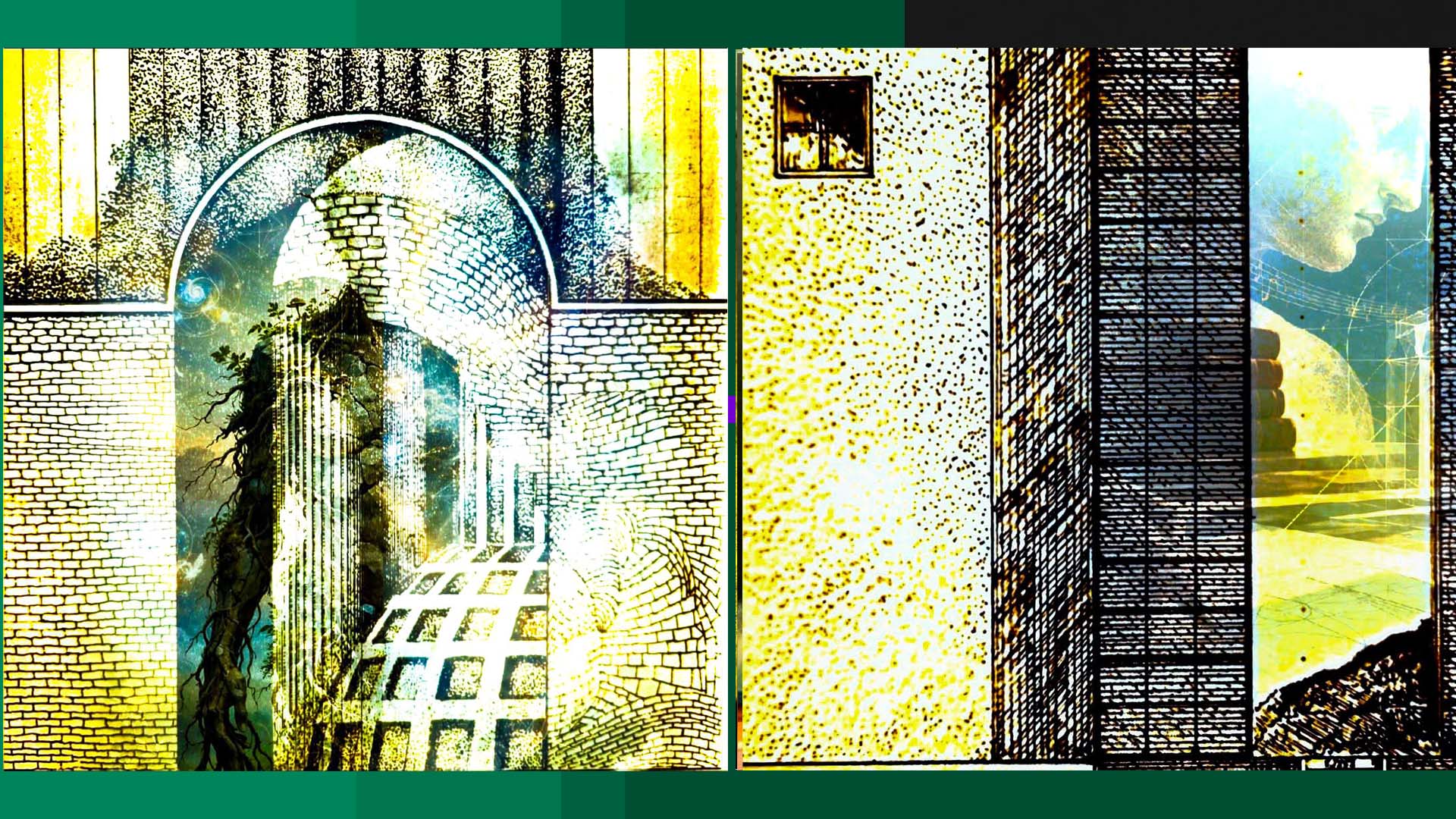
Note [1]
Beyond the Visual Dimension
The Western tradition has often privileged sight as the sense of knowledge: seeing is knowing. But sight captures only the surface. The generating Idea, by contrast, dwells in a pre-perceptive region: it is not yet form, but the condition of possibility of form. In this sense, ontological space is not a passive background, but an active matrix that makes possible the emergence of worlds.
Physical Body and Mental Body
My reference to the physical body and the mental body is central. They are not two separate substances, but two intertwined dimensions of the same experience. The physical body is our anchoring in the world; the mental body is our opening to imagination, to concept, to the possible. It is in this intertwining that representation is born: not as a copy, but as a generative act.
Note [2]
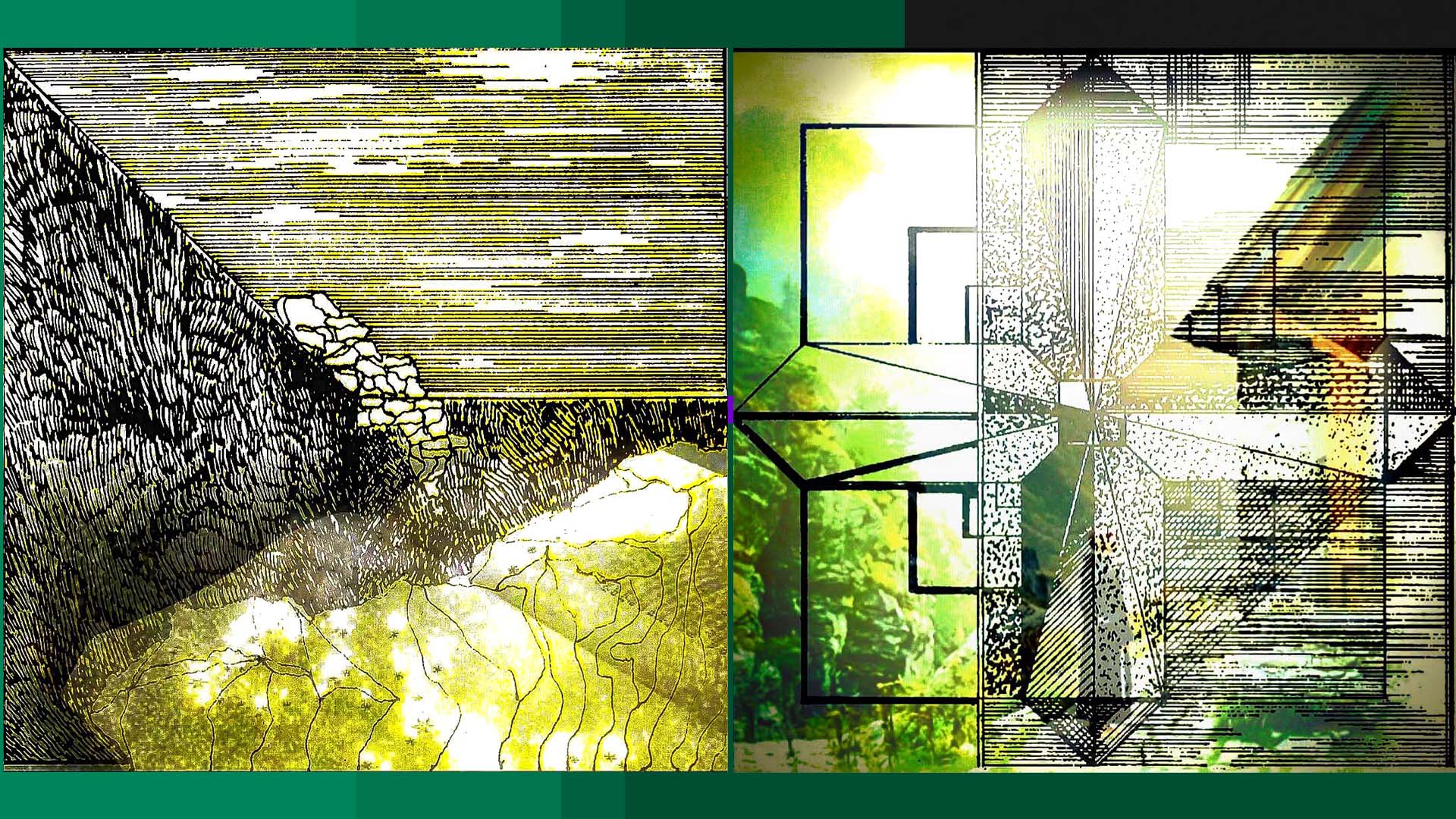
When the architect traces a line, an anticipation begins: the transformation of an Idea from its incorporeal condition into a structure governed by proportions, gravitational laws, geometric rules, as well as economic and social forces. In that act, a symbolic form is already instituted within the representation of the architectural object, for it contains within itself measure, intention, and meaning.
Drawing is not a mere “service tool” for construction, but the geometric place where thought becomes matter and matter becomes thought. It is the true house of architecture.
Note [3]
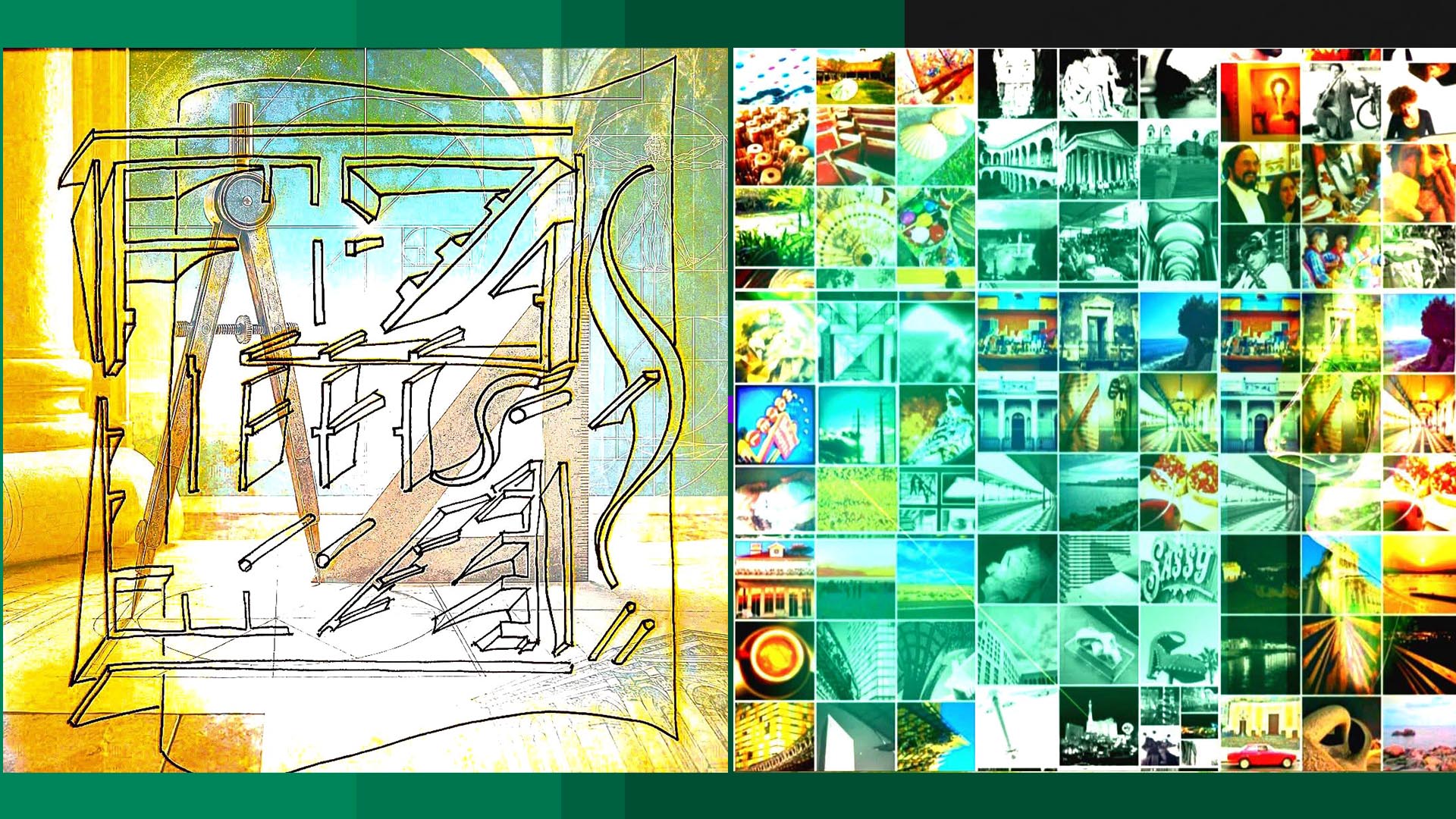
The Idea is without gravity. The form that seeks to become body must negotiate with what contradicts it: gravity, friction, the finitude of material, cost, shifting light, the aging of the human body. In that negotiation, the Idea dissolves as purity, yet is saved as presence.
The threshold is crossed only when form accepts weight and duration. Weight: it must stand, it must discharge into the ground, it must participate in the gravity of the world. Duration: it must accept being consumed by time, being stained, being touched.
Only then does measure settle and allow itself to be traversed by time.
It is not the human being who builds in order to inhabit; it is the form which, through incarnation, allows the human to recognize himself.
Architecture, when it succeeds, restores the memory of origin not because it cites the past, but because it renders once again legible a human measure within the physical world.
The Idea is fulfilled as world when it ceases to seek eternity and accepts becoming place.
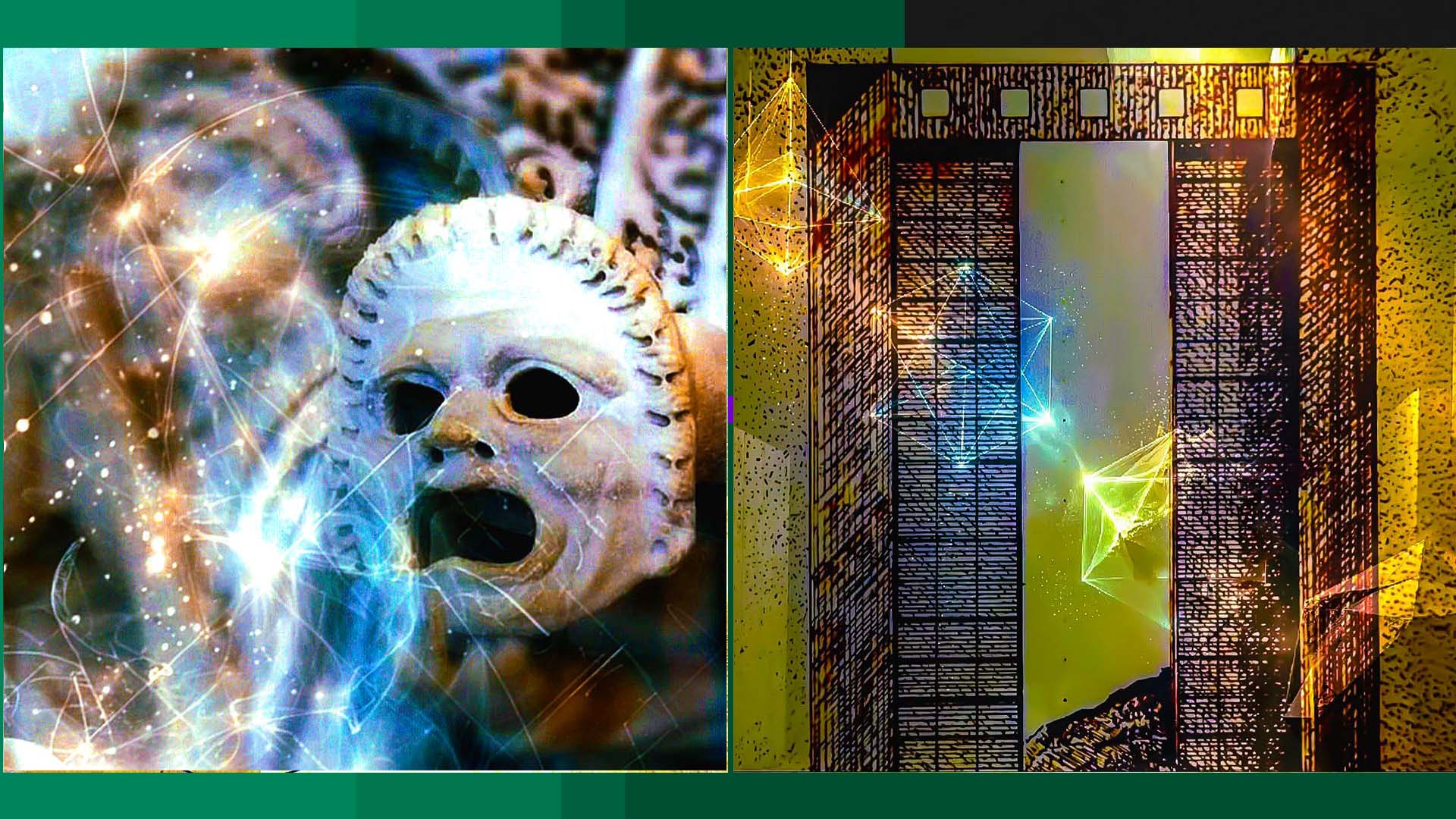
Note [4]
Geometry becomes the way the cosmos turns itself into architecture only when the architect accepts being a medium, not an author. Proportion becomes law only when it does not harden into academic doctrine.
Drawing becomes ritual only when it does not collapse into mere representation. The moment of sudden understanding is possible, but rare: it requires rigor, silence, light, and a profound constructive humility. Authentic contemporary architecture still exists, but it often chooses not to make noise.
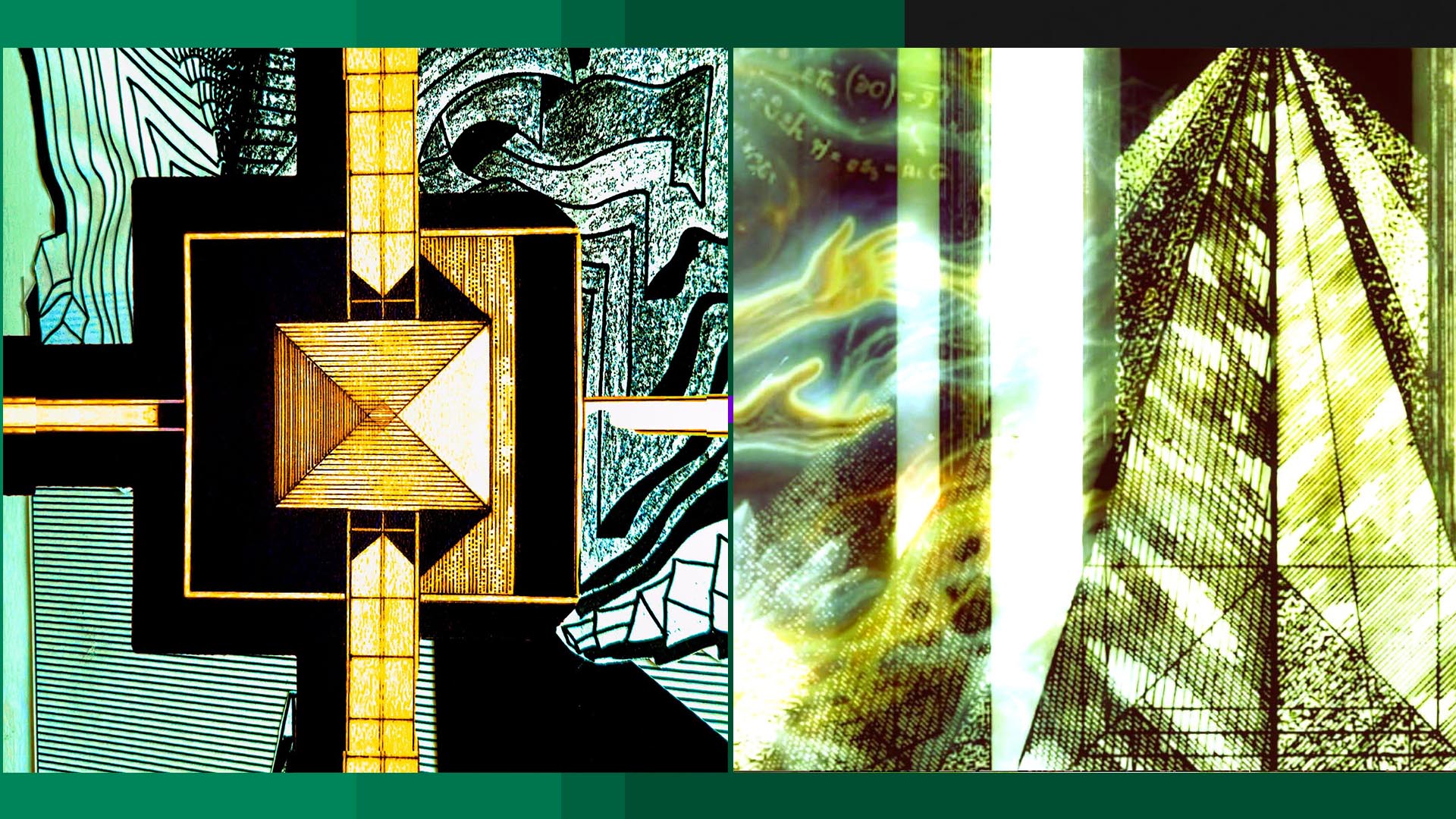
Note [5]
In the contemporary vision of the world, the archetypes that have guided the arts and techniques are transformed into operational practices, becoming embodied in the languages of digitalization, ecology, and social innovation.
The archaeologist becomes the data scientist who scours Big Data and digital archives to bring out invisible patterns, bringing back to light what complexity conceals.
The musician is the producer who samples, synthesizes, layers: they use generative AI to give voice to latent sonorities, to vibrations that await being articulated.
The sculptor is the digital artist who, with 3D printing, augmented reality, and bio-based materials, shapes previously unthinkable forms, molding matter as a continuum between the physical and the computational.
The architect is the urban planner who, through digital twins, sensors, and participatory processes, listens to the territory and designs ecological regeneration, soft mobility, resilient communities: no longer a solitary author, but a mediator of living systems.
To rediscover an idea, today, means intercepting an unexpressed need before it becomes market demand. It means creating an immersive work that reinterprets collective memory.
It means designing an app that makes a denied service accessible.
It means, in politics and economics, imagining circular and sustainable models that awaited being thought. Contemporaneity asks us to be archaeologists of meaning, musicians of change, sculptors of matter and data, architects of sustainability.
To generate is to discover; to discover is to collaborate with what asks to come into the world.
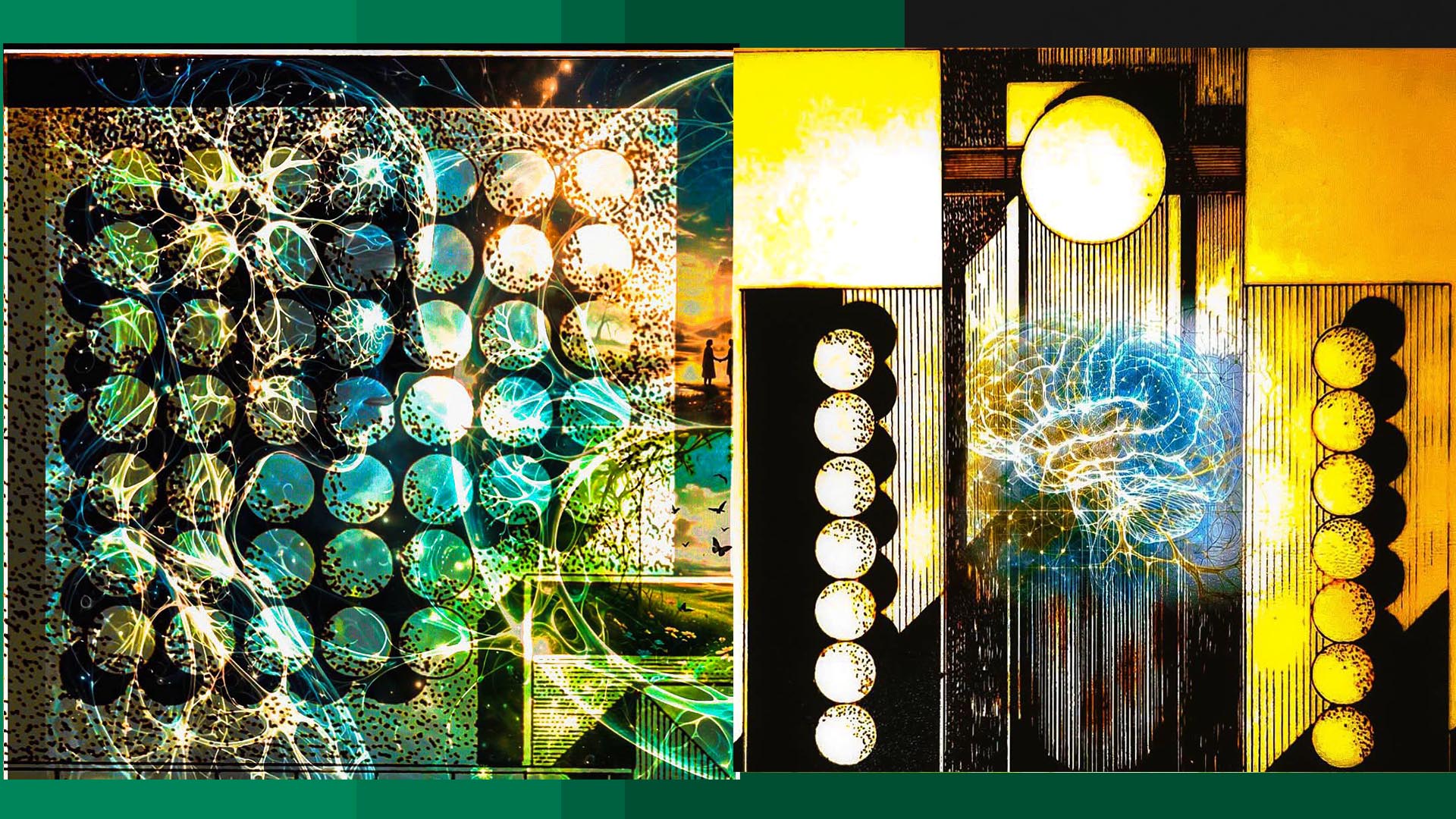
Note [6]
Stone is the matter that resists and endures; light is the revelation that opens space; shadow is the mystery that inhabits it; proportion is the harmonic relation that binds the parts together. In this passage from idea to matter, architecture reveals its deepest truth: not simple construction, but thought becoming world. For this reason, architecture is alive only when it does not repeat a rule, but continues the process.
It interprets an order and renders it perceptible; it guards the idea and offers it to life.
In this sense, every authentic work is both memory and prophecy: it preserves the origin and opens the future, showing that form is never only form, but the visible face of an idea that has become space.
Note [7]
The process is a descent by degrees: spirit, intuition, idea, matter, form, duration.
It is not a fall, but an incarnation.
The Idea does not empty itself by becoming matter — it reveals itself. The architect does not merely impose:
he listens to the stone, the wood, the light, the void.
Every material has a voice, and the project is the dialogue between that voice and the originating intuition. Weight is the proof of the real.
Gravity forces the Idea to measure itself against the world.
Without weight, the abstract remains dream;
with weight, it becomes presence. Duration, then, is not mere survival in time:
it is embodied memory.
A work endures because it has accepted becoming fragile, measurable, perishable — and precisely for this reason it can continue to speak. In the end, the descending movement from Spirit to Form is also circular:
Spirit descends into matter, but matter, when well shaped, rises again toward Spirit.
The invisible becomes inhabitable. Architecture is this:
the silence of the Idea becoming sound, the space in which the abstract accepts having a body.
The forms that emerge from the Idea lead to considerations that go beyond demonstrative science.
Each inquiry adds a new possibility to thought, a path through which one may rediscover oneself and the origin of one’s ideas.
Architecture, along this path, becomes an instrument of revelation: the place where the Idea becomes space, and space becomes Idea.
To dwell, then, is to participate in an order that precedes us and that, through form, continues to generate itself—before and beyond the mere act of occupying a container.
Note [8]
Every authentic inquiry adds a datum and a possibility to thought.
It opens an additional room within us.
And this is why we rediscover ourselves when we seek the origin of ideas: because we are not inventing them, we are recognizing them.
Architecture, in this journey, has a unique privilege: it does not represent the Idea, it makes it habitable.
A wall is not merely technique.
It is a decision about being: what to separate, what to hold together, what to leave open, and how to let light enter.
A threshold is not a hole in a wall; it is the place where inside and outside negotiate.
A column bears a weight and, at the same time, an order.
When I say that space becomes Idea, I mean this: there is a moment when geometry ceases to be measure and becomes meaning.
To occupy a container is a functional act.
To dwell is an ontological act.
Occupying says: I am inside.
Dwelling says: I participate.
Notes from a Future Past
Filippo Lo Presti 2026