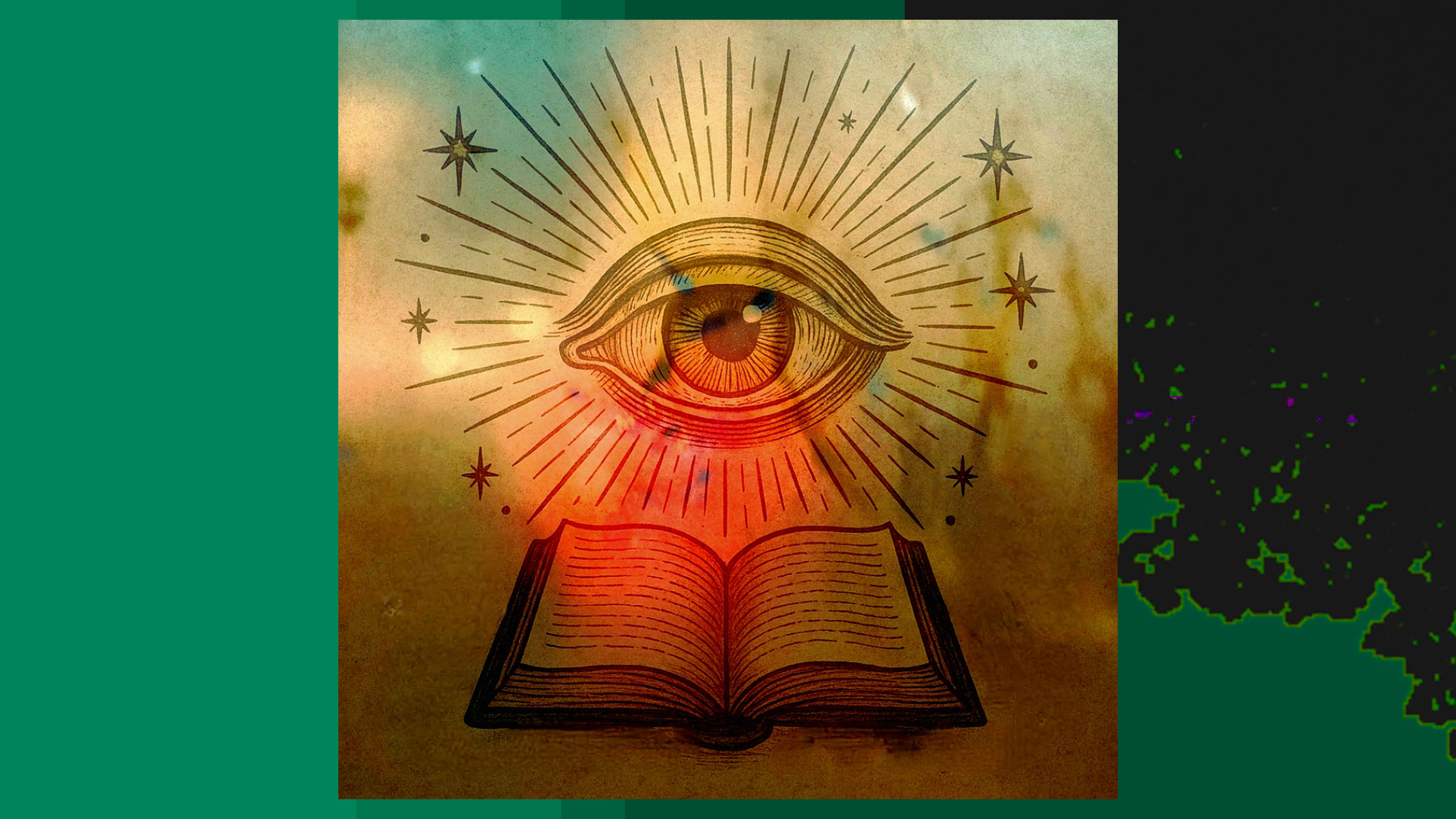
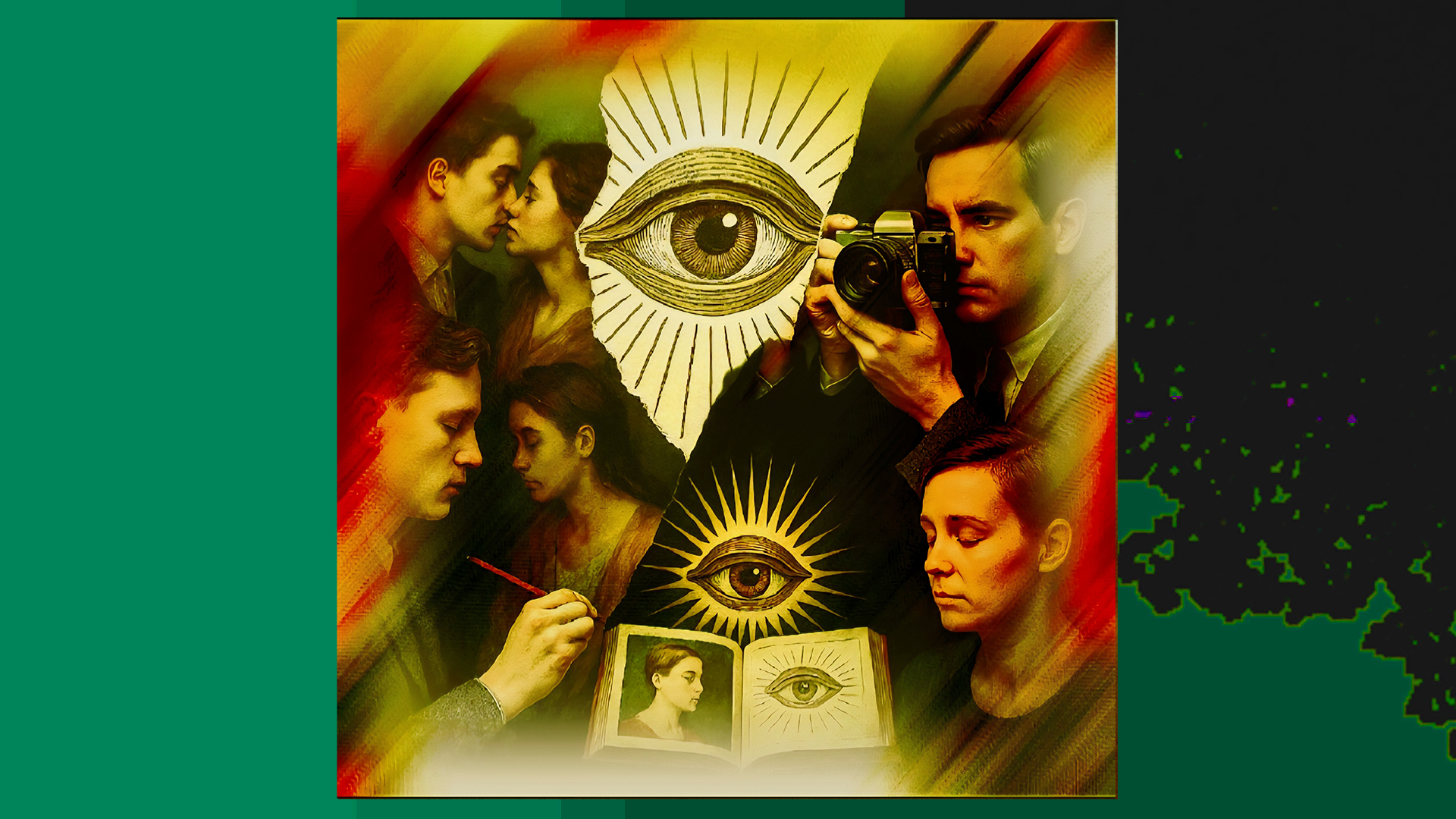
The Eye of Knowledge
Avant-garde: The Language of Transgression. The Eye of Knowledge
The vastness of the traditional photographic repertoire, understood as unaltered depiction, is considerable. Optical alteration, once perceived as a transgression against nature from the earliest uses of corrective lenses for the eye, has gradually been canonized, at least within the realm of art.
Access to this altered world, the freedom to modify or perceive reality in a modified way, becomes aestheticized in out-of-focus figures, veiled by clouds of pure white or by undefined hues blended into the form itself. Through prolonged exposures and moving objects, different stages of a single action are fixed in one image, allowing the continuity of a gesture and the correlation between its parts to be perceived.
Photomontages, moreover, admit the coexistence of two or more distinct realities within the same space. Thus, a prehistoric man, mounted photographically alongside a modern man, may belong to a shared temporal reality, inhabiting the same space-time. The annulment of time allows two historical enemies to shake hands in a single photograph, despite the centuries that separate their lives.
Figures may overlap, merging into a single unit: the image of a cube may coincide with that of a sphere, which in turn may merge with a pyramid. The three solids will constitute a unique form, just as a man’s face might be superimposed onto an animal’s, and so on.
In art, these phenomena have been accepted and even celebrated. In other fields of knowledge, however, such overlaps are considered premeditated deception, tools for altering the minds of the ‘faithful’ by revealing horizons too discordant with the rules of collective wisdom.
‘Hidden’ researchers experiment with photography in its essence, transcending the limits of a single moment and working with action in motion. Few commercial films, created for the market, manage to communicate more than canonical sensations: hatred, love, war, peace, etc. They rarely venture into the realms of genuine knowledge; such films would be commercially unviable.
The film industry, embraced by a multitude ‘awaiting judgment,’ produces works according to the parameters of a marketable message. The structure of a film, as the story of an event, becomes a montage of scenes, a dubbing of voices and sounds, a repetition of pseudo-reality, stripped of any ascent toward the unknown.
Viewing a conventional love story is boring, as it is falsely constructed, much like art forgers replicating masterpieces. The camera, like the photographic device, is an irreplaceable tool for knowledge, especially for those lacking imagination, for those who, considering the 'eye of knowledge' an absurdity, deny their own minds the possibility of truly seeing.
From "Design of New Words" The Eye of Knowledge by Filippo Lo Presti 1989