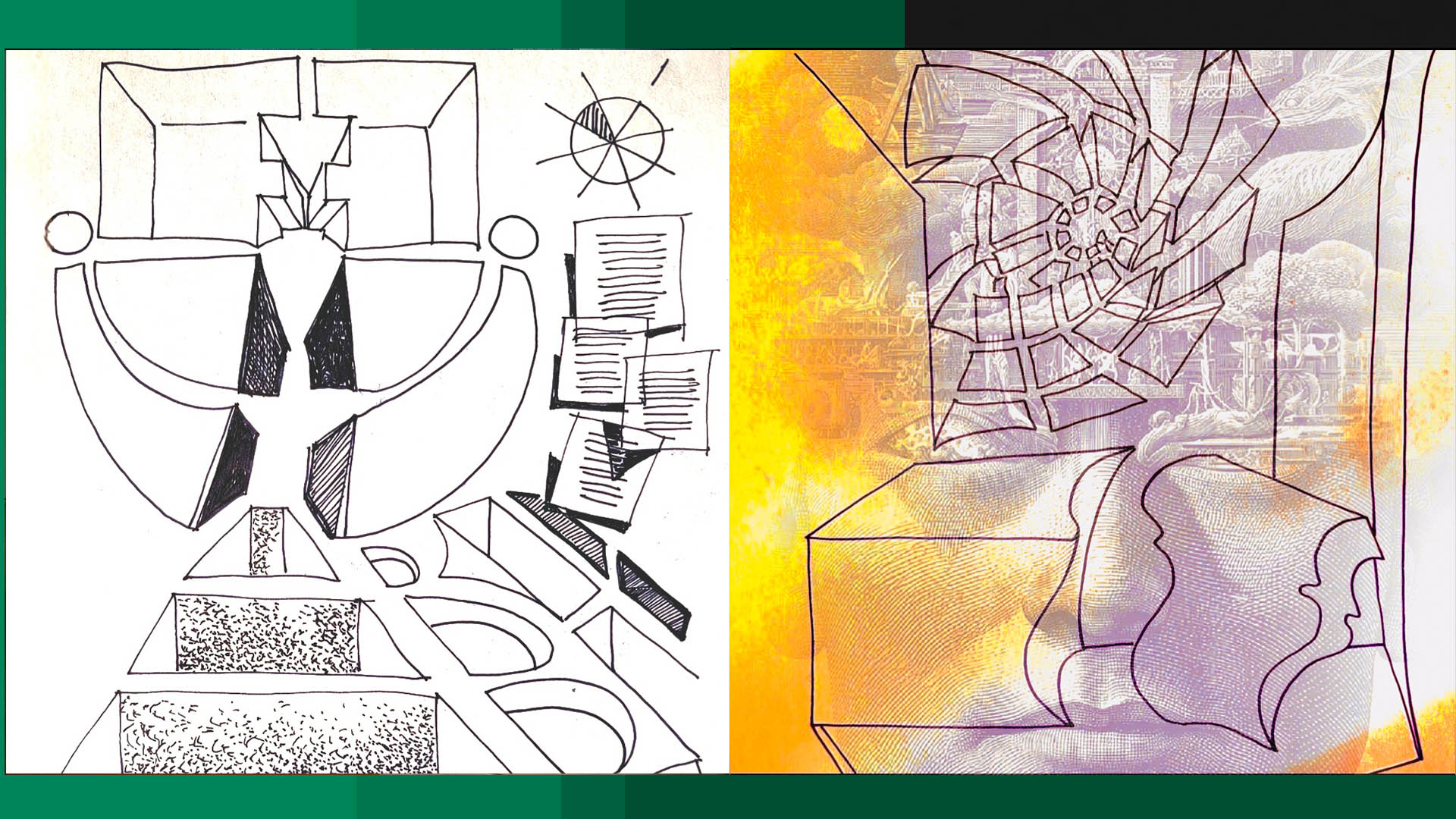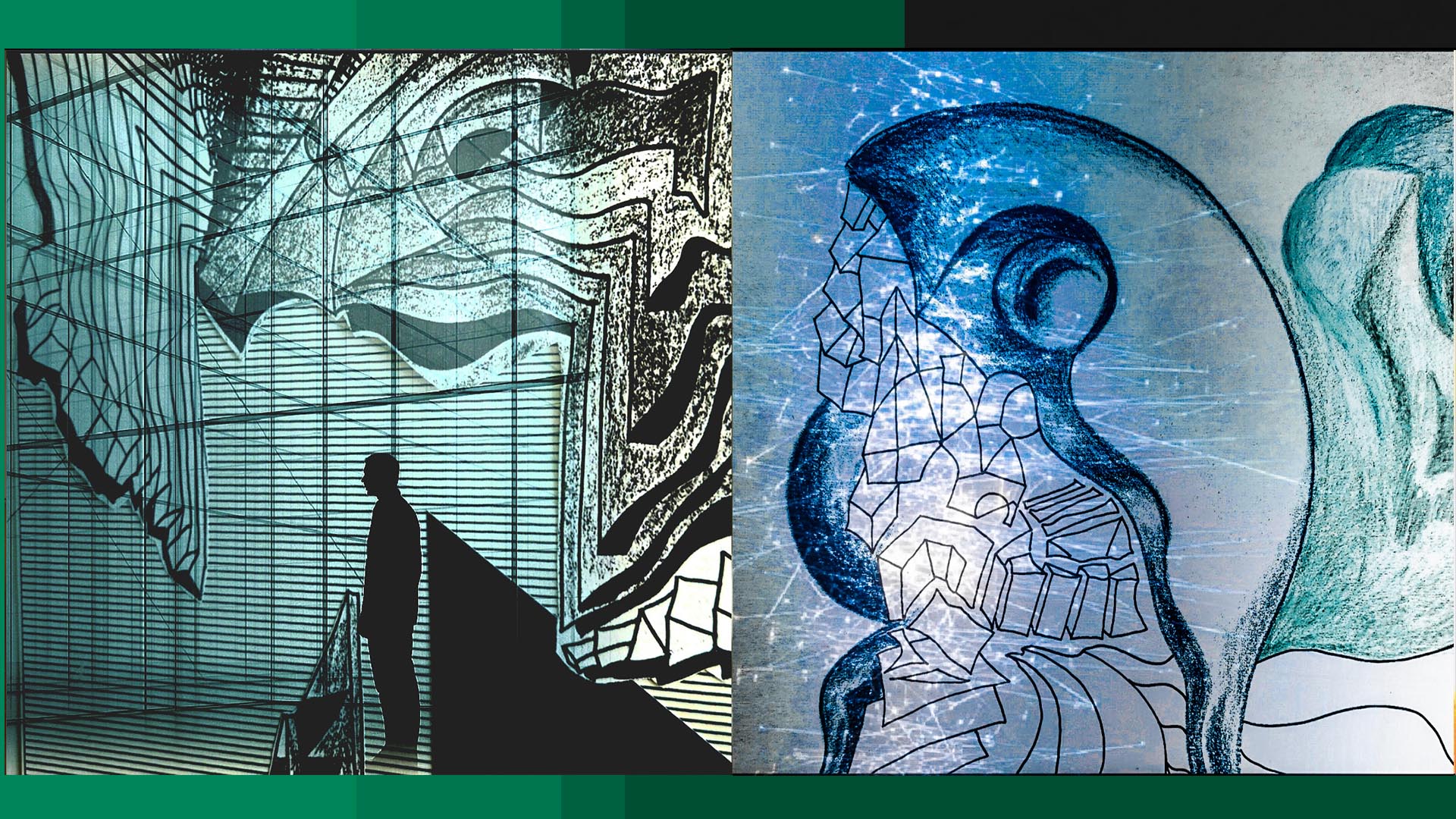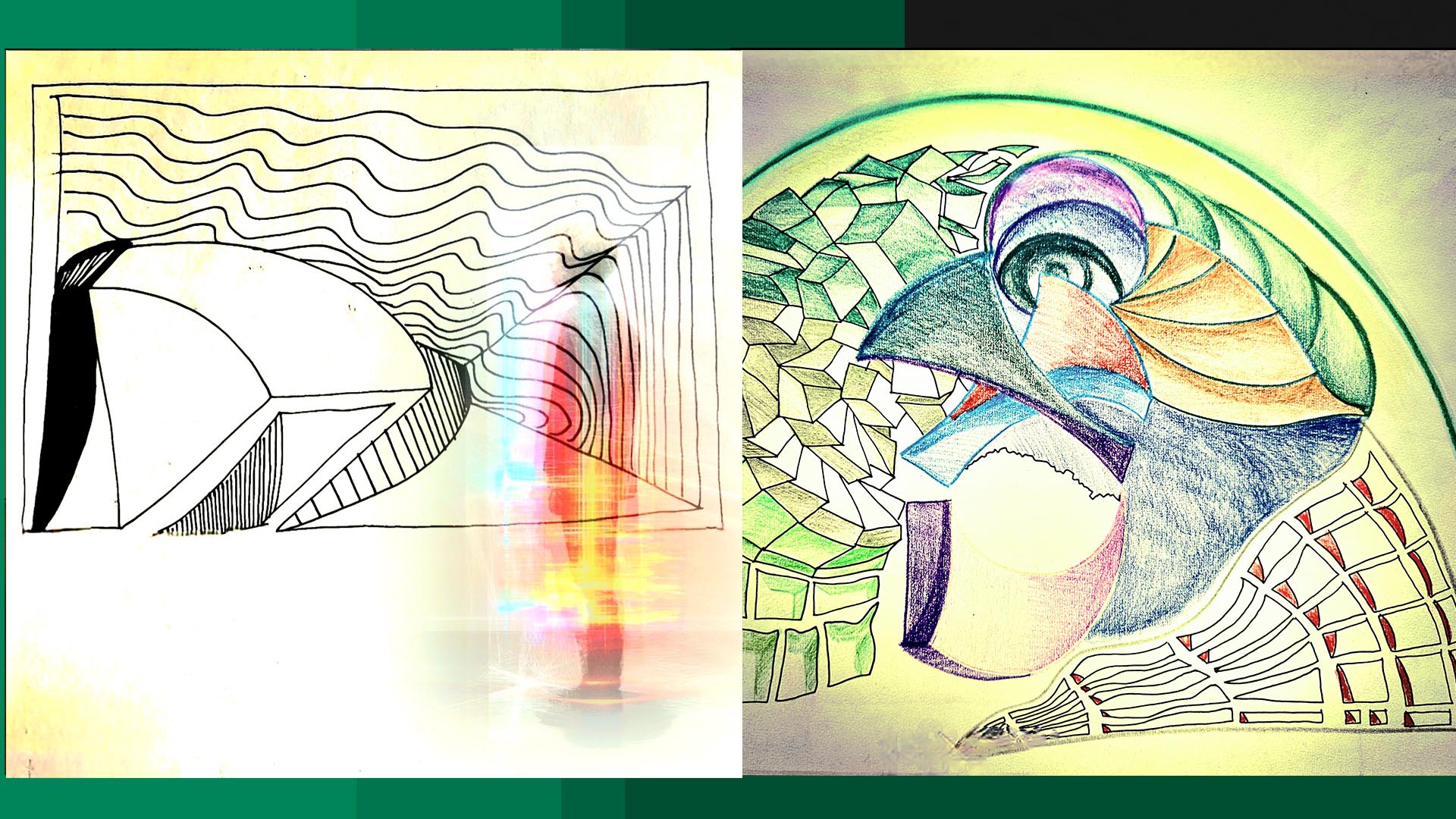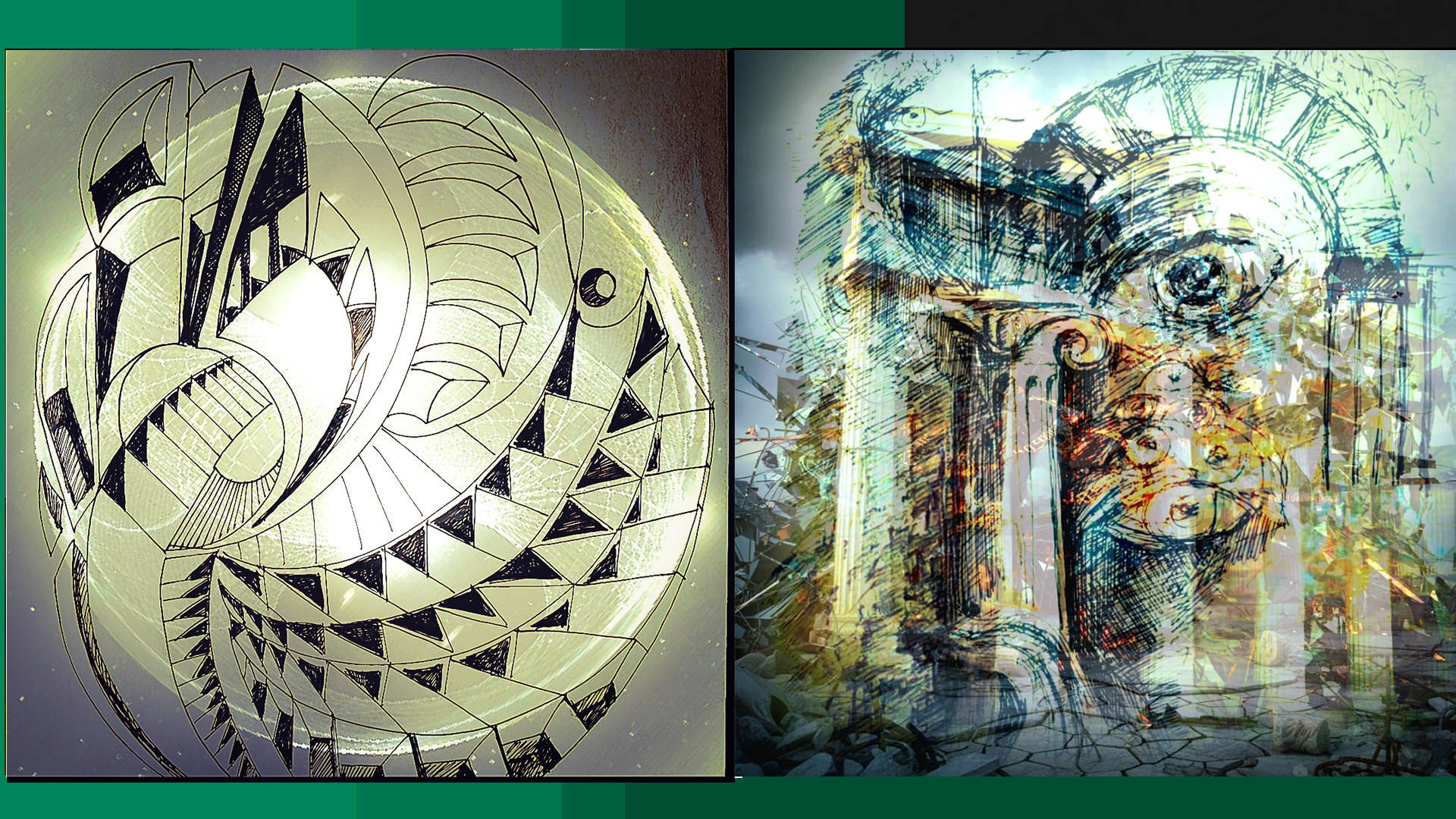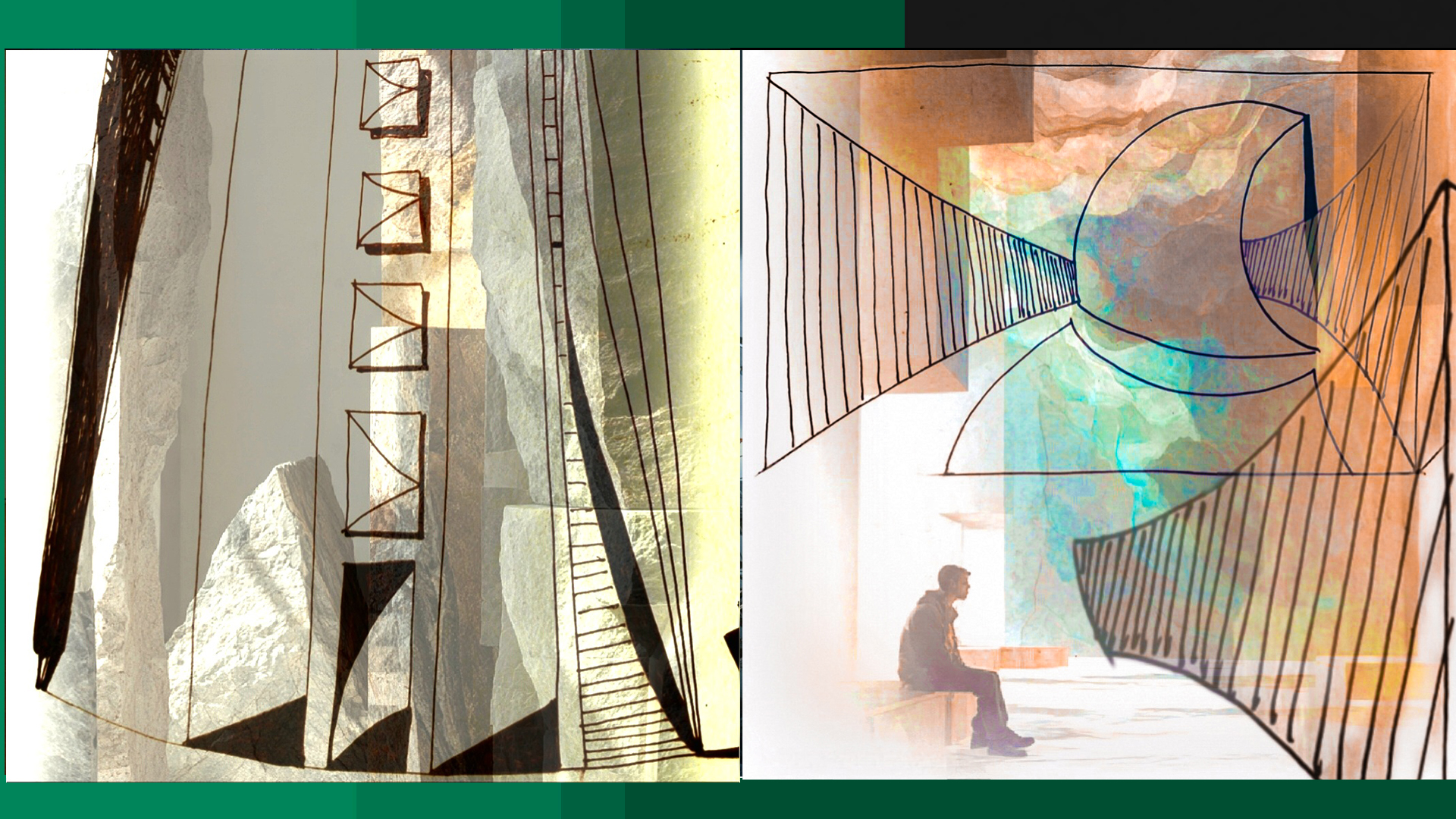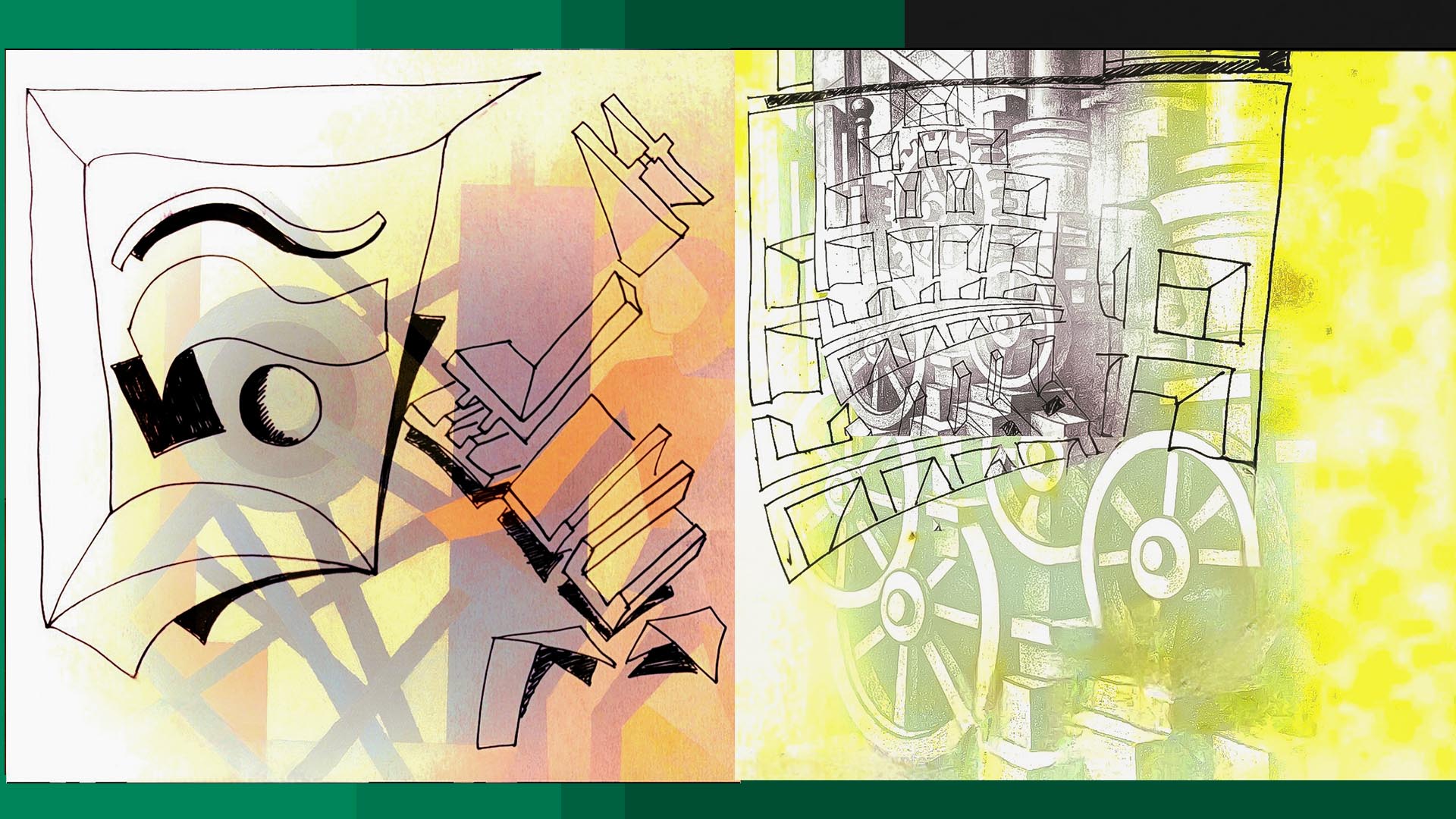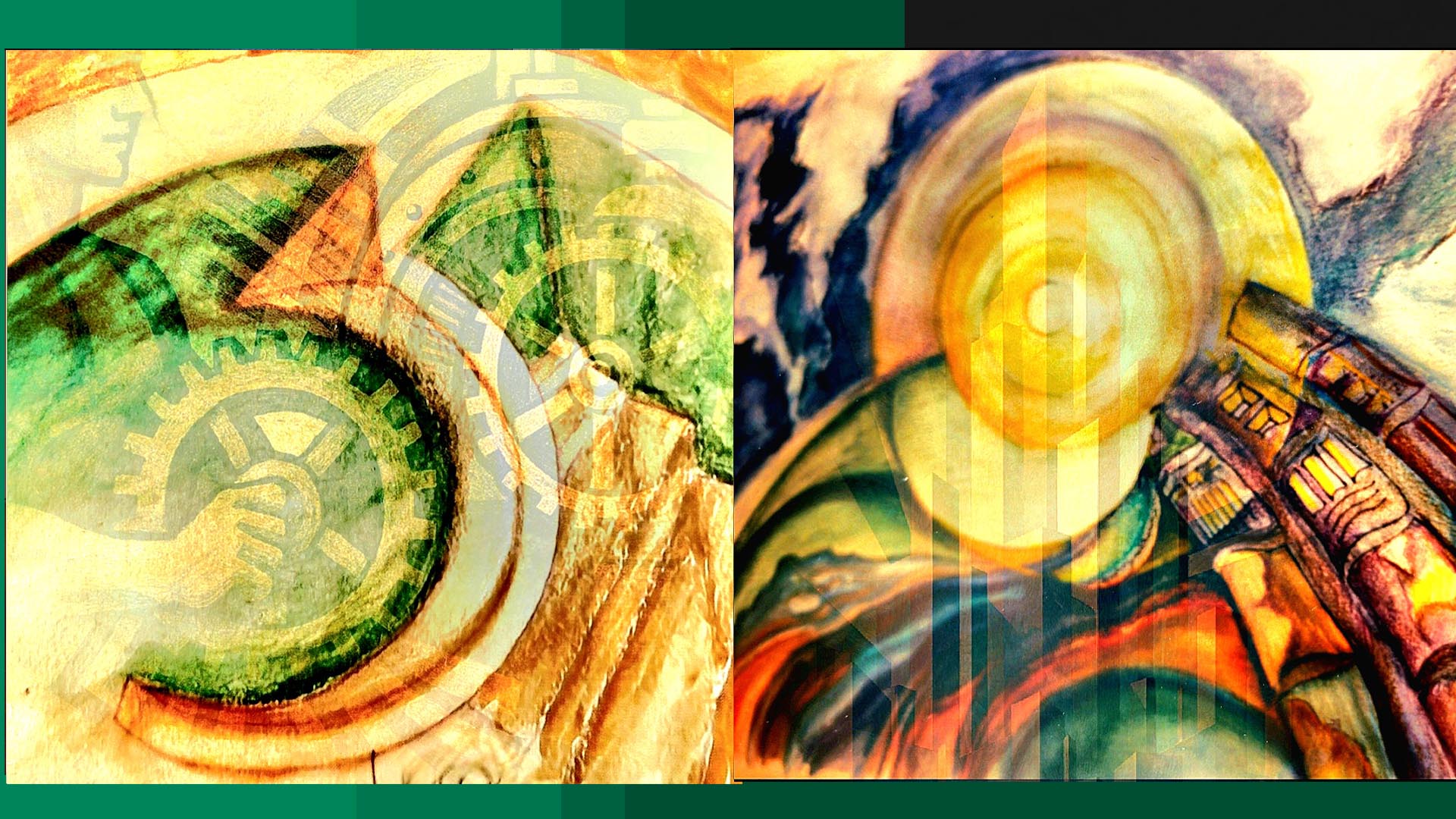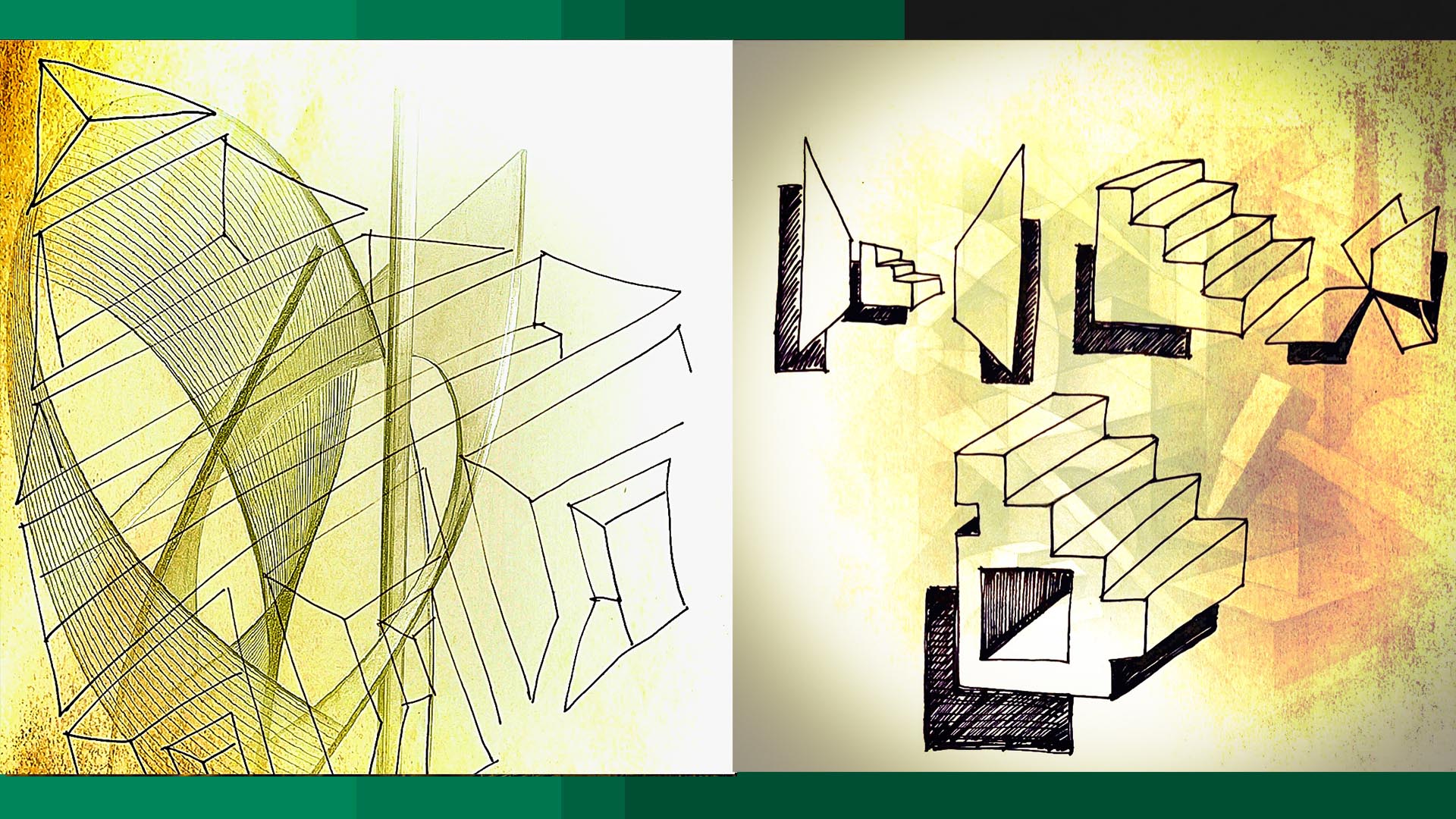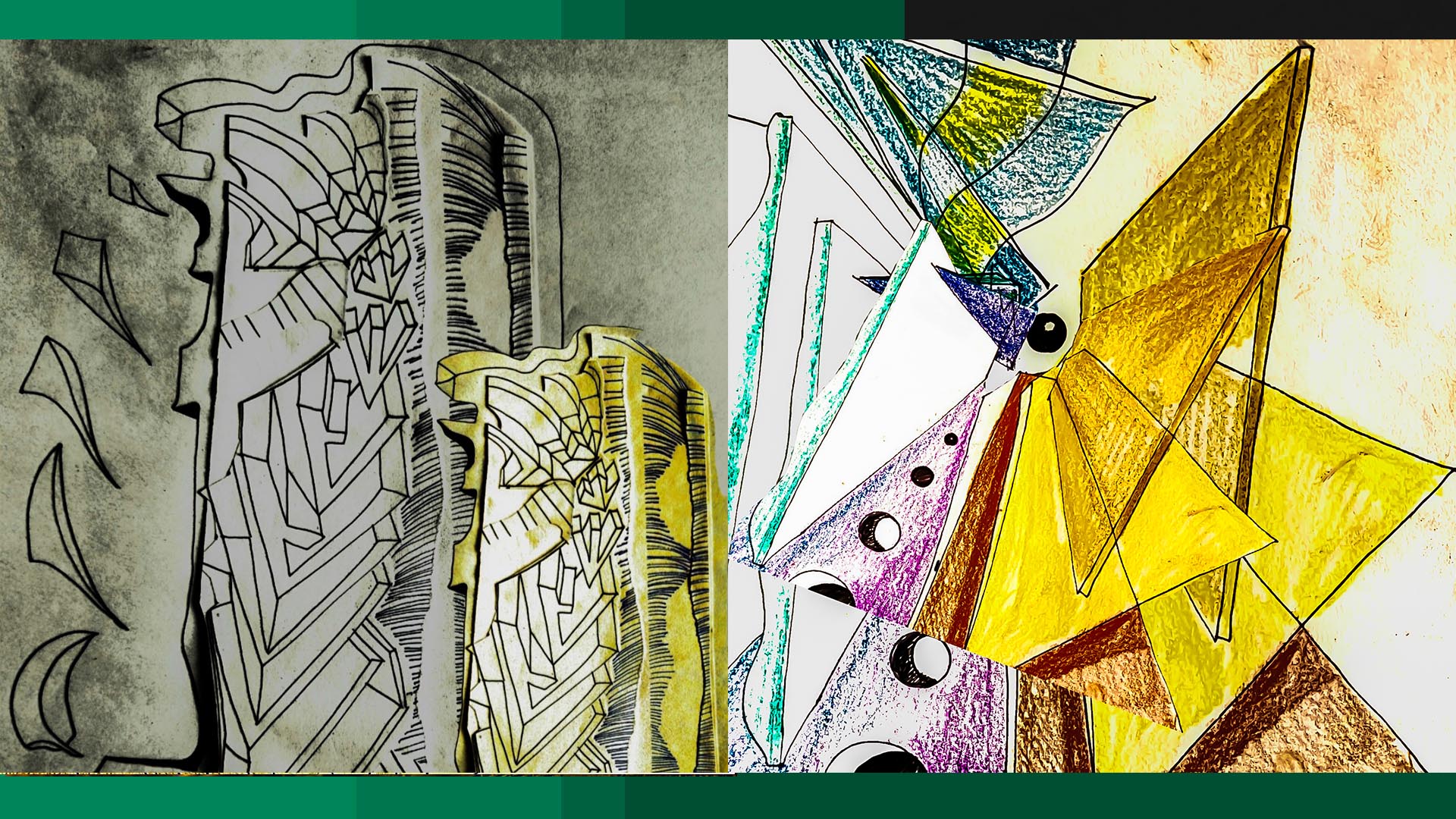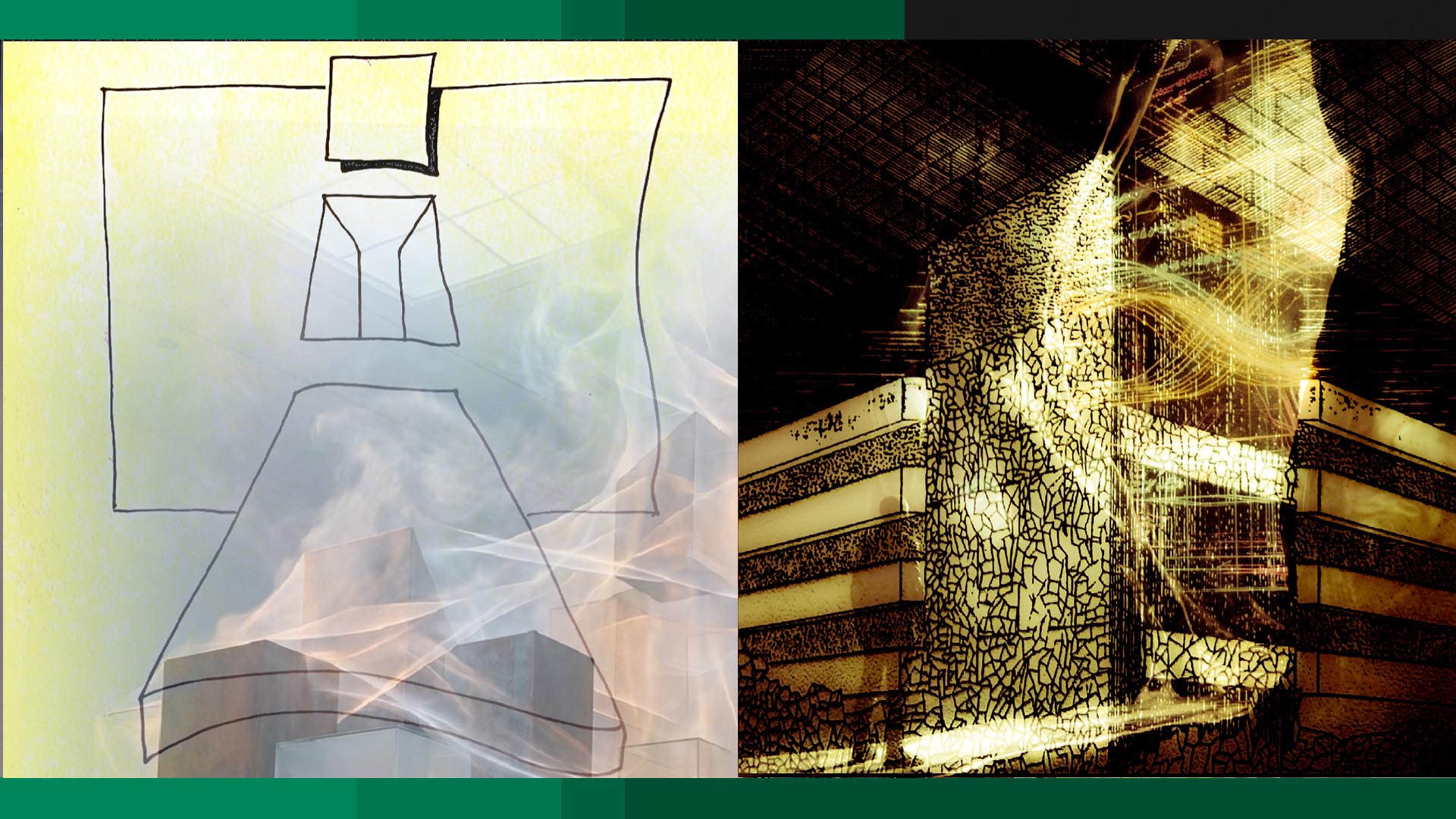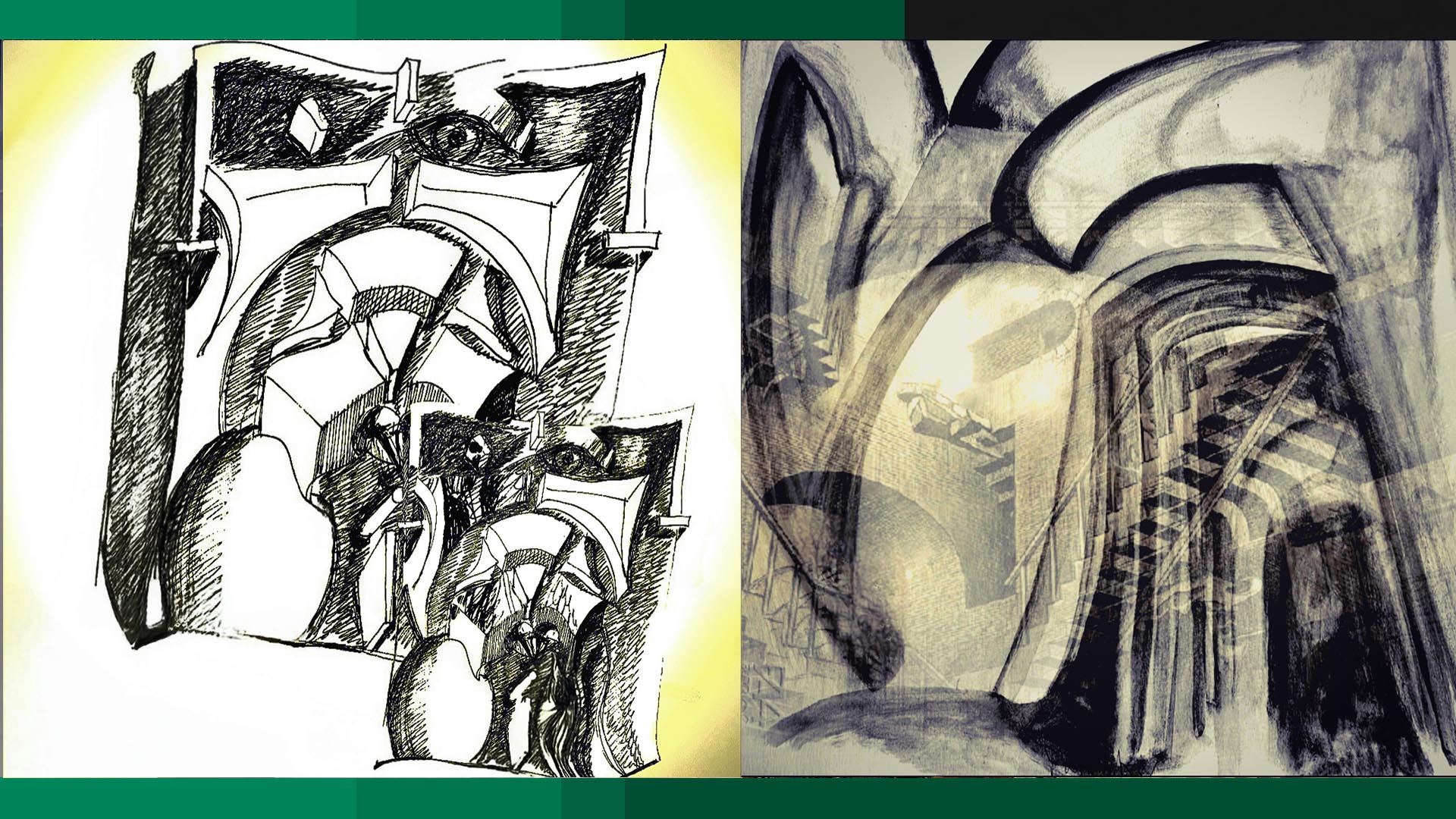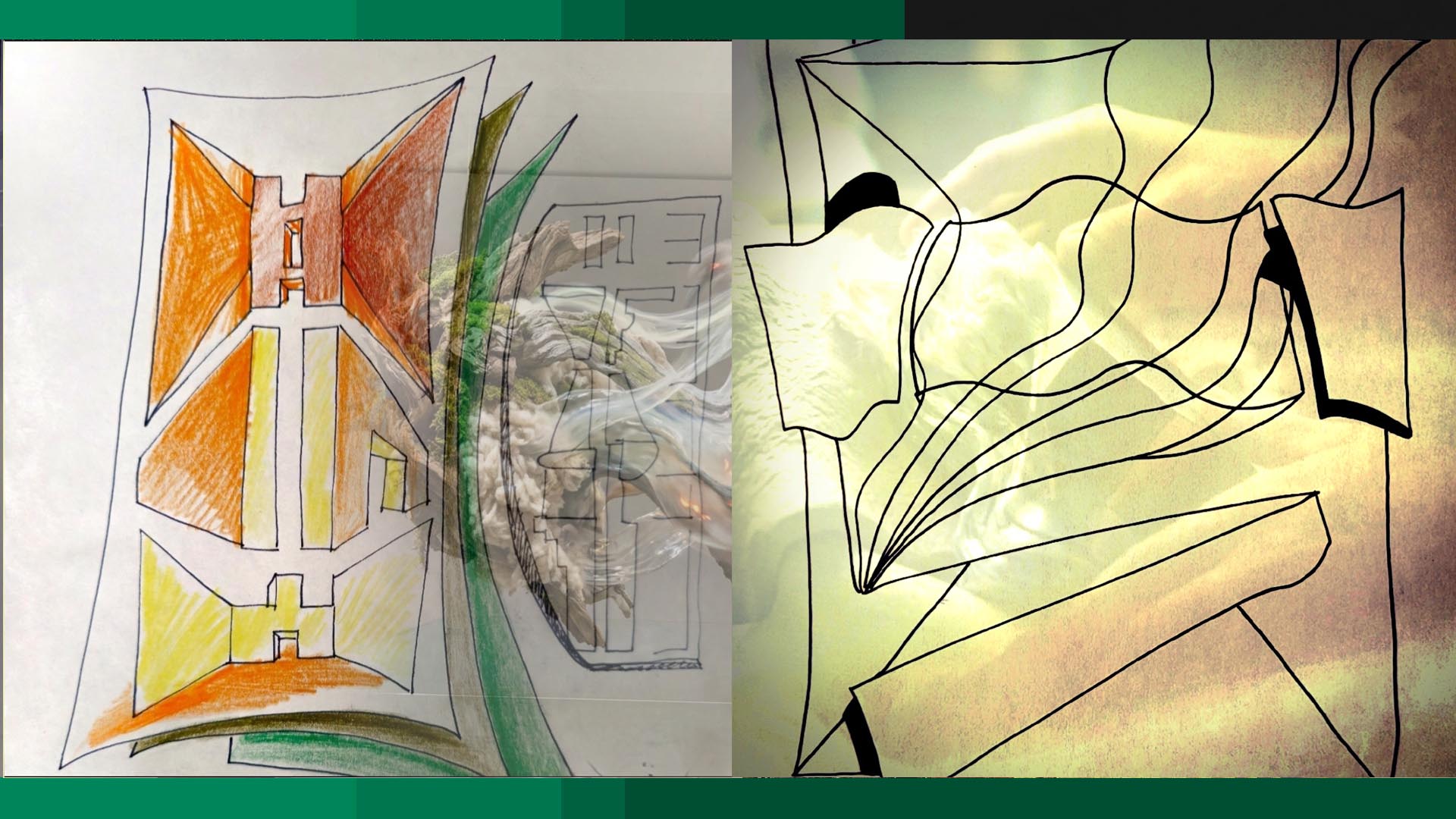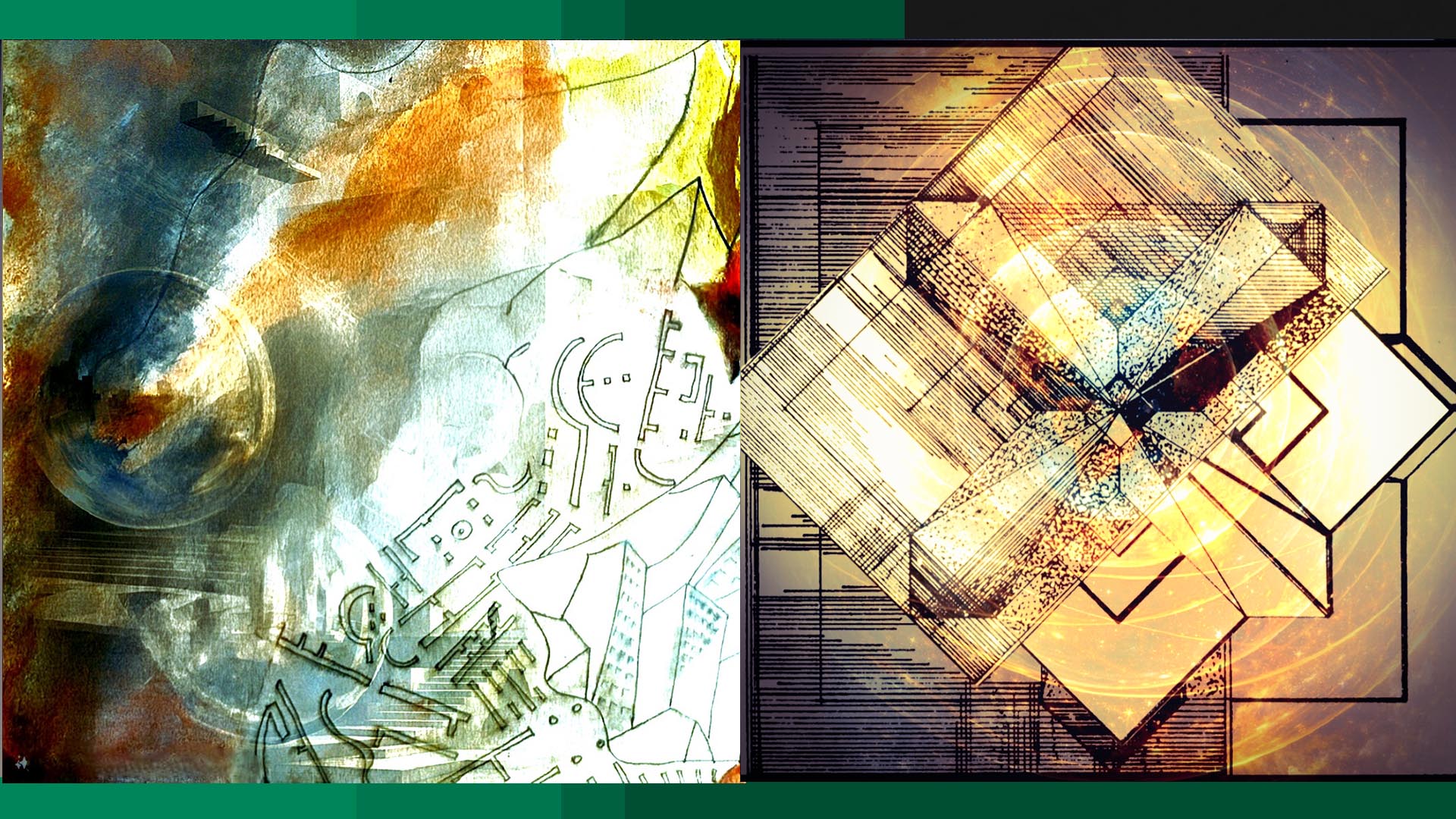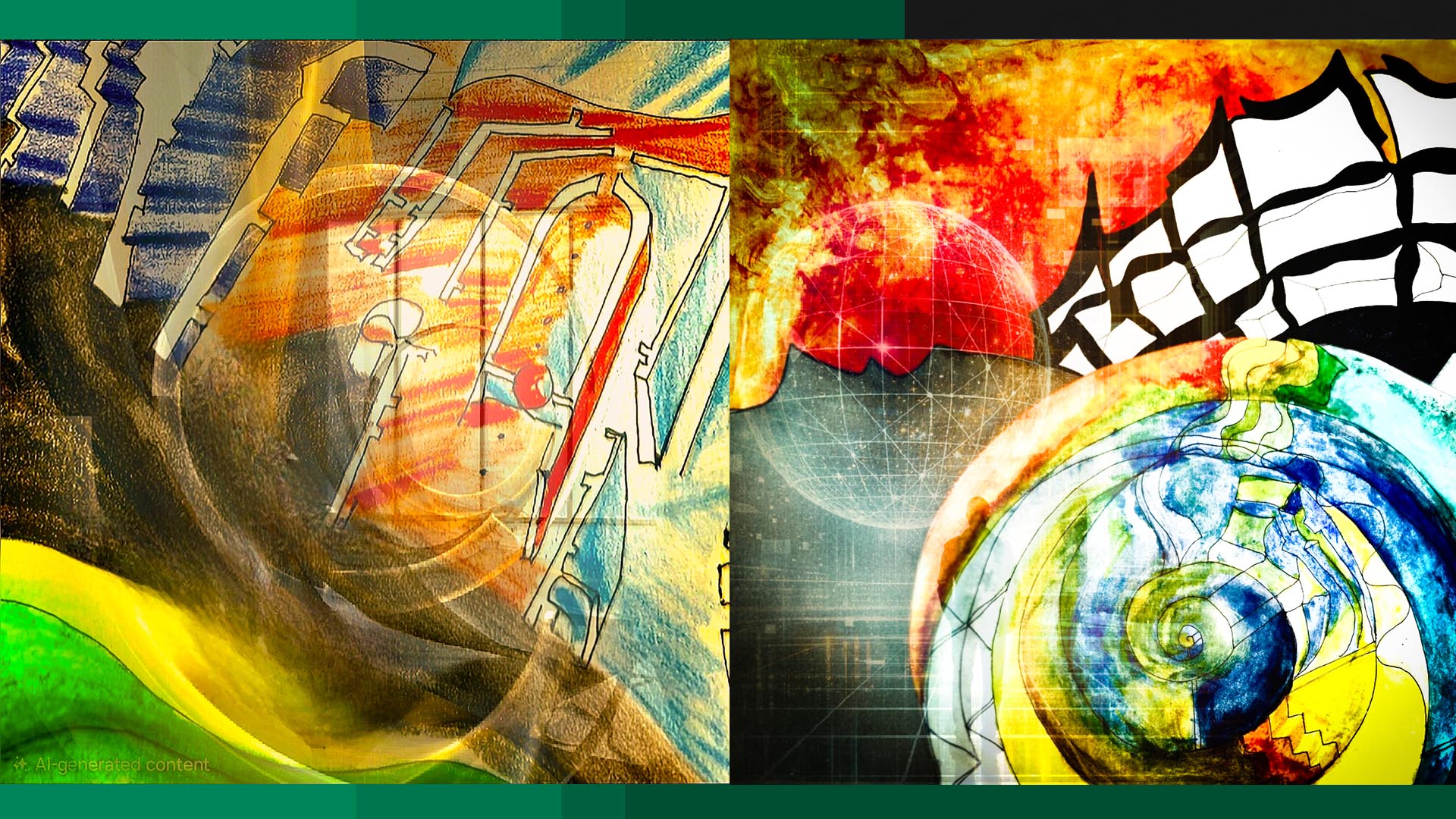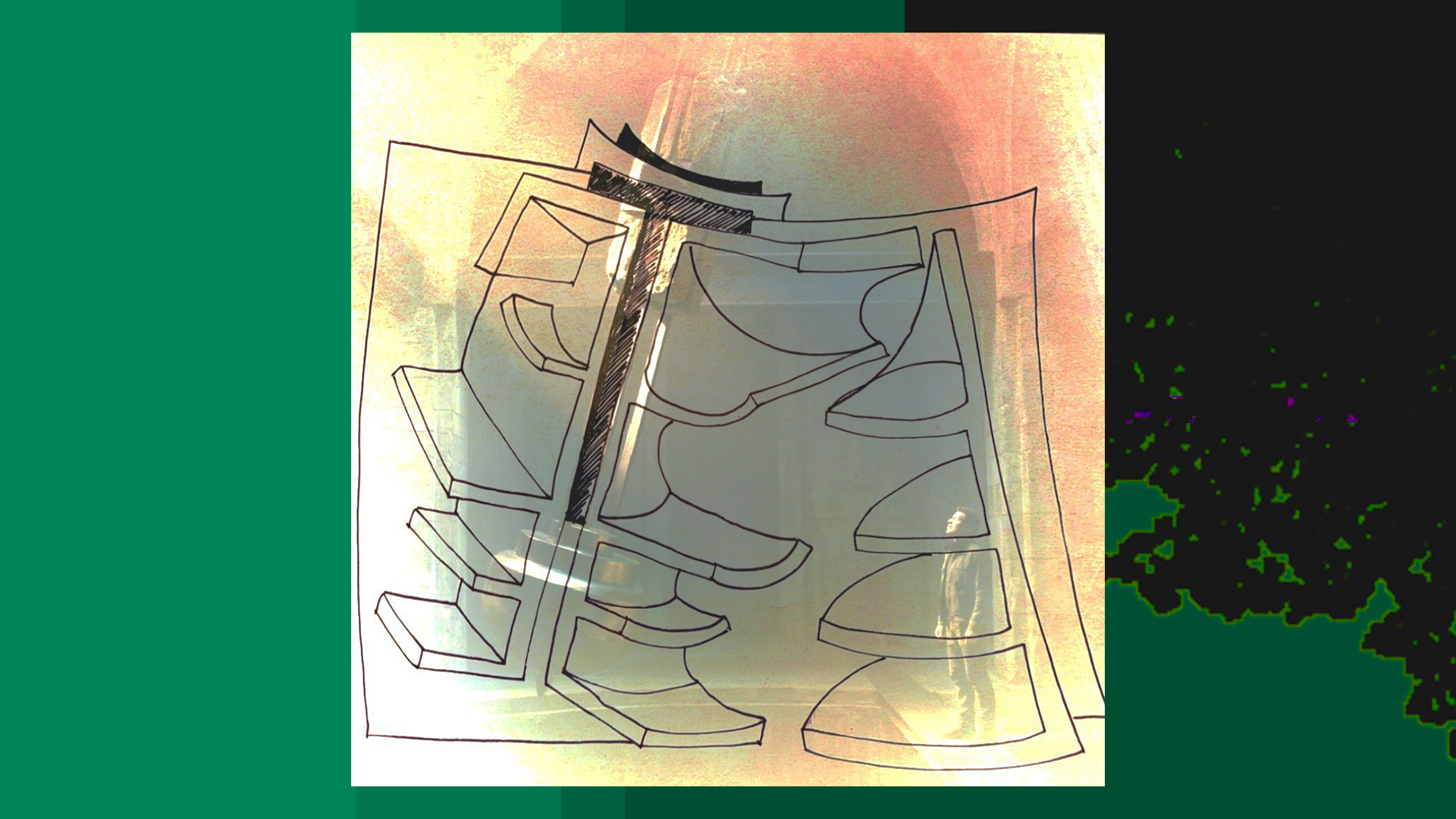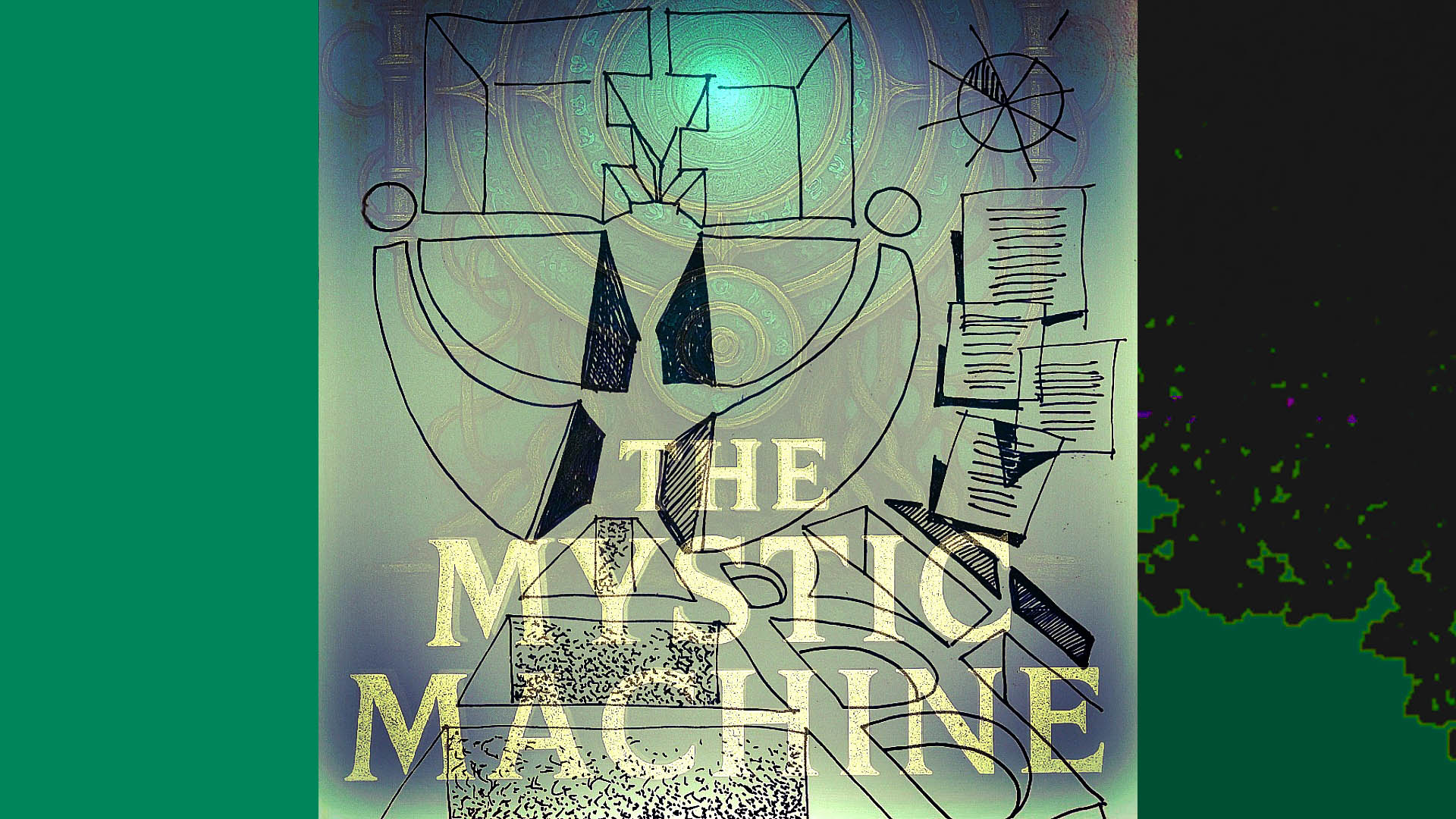
The Mystic Machine
Harmonic connections, within the field of intellectual activity,
emerge along the very edge where the word begins to define itself. A first bifurcation of the unity of being is felt in the awareness of a possible zone of dilation within the verb—an expansion that, in the aesthetic realm, would push the limits of definition outward.
Piercing the superficial, “physical” form of the word, treating it as a projection screen for an entire constellation of analogous events, opens the way to an intrusion into spaces situated near the verbal threshold, where meaning loosens and begins to resonate beyond its own perimeter.
The temporal condition of space, beyond decomposing the elements of matter, also enables an analysis of the word itself, transforming its meaning from something merely representational into something formative. Through the object of creation, the models of time and space may be inverted, depending on the new relationship established between the former system of object‑production and the new mechanized process.
By shortening distances, the human being becomes an active participant in one phase of this multifaceted creation, a phase that opens onto a wide range of operative possibilities residing within one’s own mental and physical system.
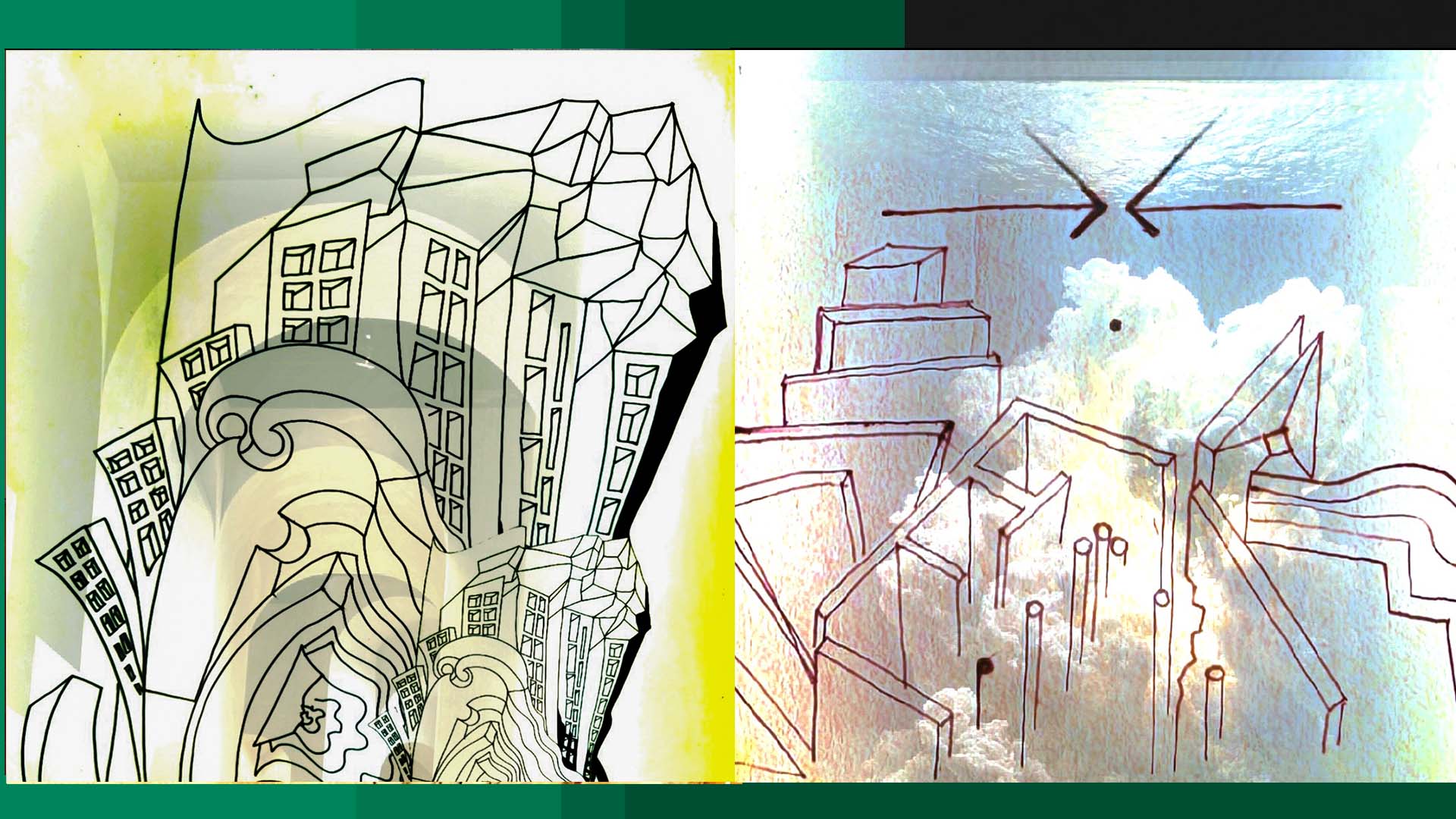
The careful evaluation of these spaces, explored by time in its rhythmic evolution, assigns to the image of the human being, and to the human itself, a materiality of space, a renewed immateriality. Translated into architectural terms, one might glimpse this in the use of transparent materials that once served merely as the eyes of windows, but now occupy entire façades like veins running through the walls of the invisible. Yet beyond these and other observations, within the operative field of spatial design one can perceive a shift, a dilation, of invention.
Art becomes a language for expressing the invisible, gathering around itself a constellation of allies ready to detonate the static object into something dynamic, swift, ephemeral, transparent. The mystification of the machine, elevated to a quasi‑religious condition, emerges as a defining phenomenon of new systemic models, where appropriation and cataloguing become ritual gestures of power and interpretation.
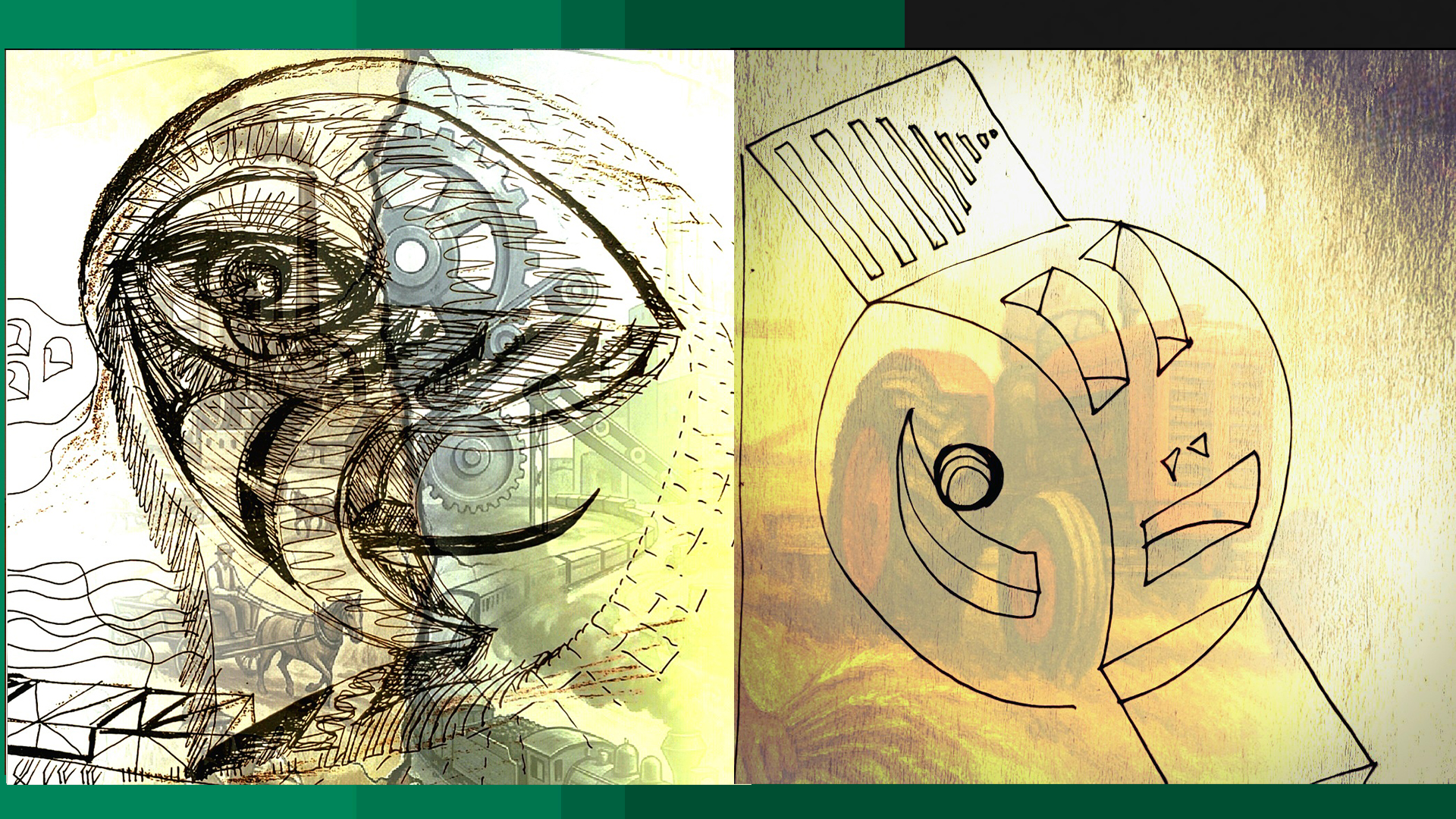
The need to trace a soul within the machine drives researchers of every discipline to investigate the possible inner dimension of the mechanism that generates movement. The object, which beyond language measures itself within a renewed space, clothes or strips itself of the qualities perceptible to ordinary senses, in order to reveal its generative nature: the very force that brought it into being on a canvas saturated with the materiality of color.
What man can truly represent himself on the city's stage, if not one frozen into a marionette, slotting perfectly into the machinery of the urban engine? Even in striving to remain the soul of oneself, one becomes but an automaton, animated by a vital and energetic harmony. From the grating noise of mechanical motion, these puppets of the soul stage their theatrical performances in that absent scene of the street, a space able to demystify matter itself.
The “vanishing object,” prototype of the evolved machine, tends toward mimesis, continuously simulating a complicity with the cosmic whole; it therefore does not function as isolated or representative matter, but as a formal symbiosis with a unified and reconstructed universe.
The insertion of the new into the linguistic fabric of what already exists announces a nullification of the past, an outward renunciation of all the models that once defined the perimeter of the known. The classical order, seemingly surpassed together with the broader aesthetic it sustained, is replaced by the modern order which, in truth, faithfully mirrors the primordial disorder generated by the alteration of space itself.
The new materials will inevitably take part in the final exodus, awaiting the emergence of a regulating order; meanwhile, aesthetic consciousness will translate the findings of research in real time, assessing the psycho‑physical characteristics of the architectural object.
The aesthetics of communication that defines today’s artistic repertoire is rooted in the avant‑garde matrices of the early twentieth century, whose linguistic impulses can now be expanded and refined through contemporary technological systems.
Architecture, understood as an emission of information capable of shaping a new universal core, takes on forms increasingly oriented toward an interactive exchange between two interconnected domains. The first is paradoxically visible to the naked eye, a material configuration in space; the second is apprehended mentally, a representation of what cannot be seen yet can be sensed.
In this oscillation between the tangible and the immaterial, architecture becomes a communicative threshold: a medium that simultaneously occupies physical presence and mental resonance, translating matter into perception and perception into form.
Geometric transformations introduce new metrics according to their intent. By materializing an idea, they give linguistic form to a precise concept. Once embodied in form, that concept generates further information, opening pathways to a deeper understanding of oneself and of the world.
At this point in the discursive arc, the use of the object becomes charged with questions about its true nature, introducing a constellation of inner qualities that, once traced within the very substance of matter, would emancipate the linguistic sphere and the function of the word itself.
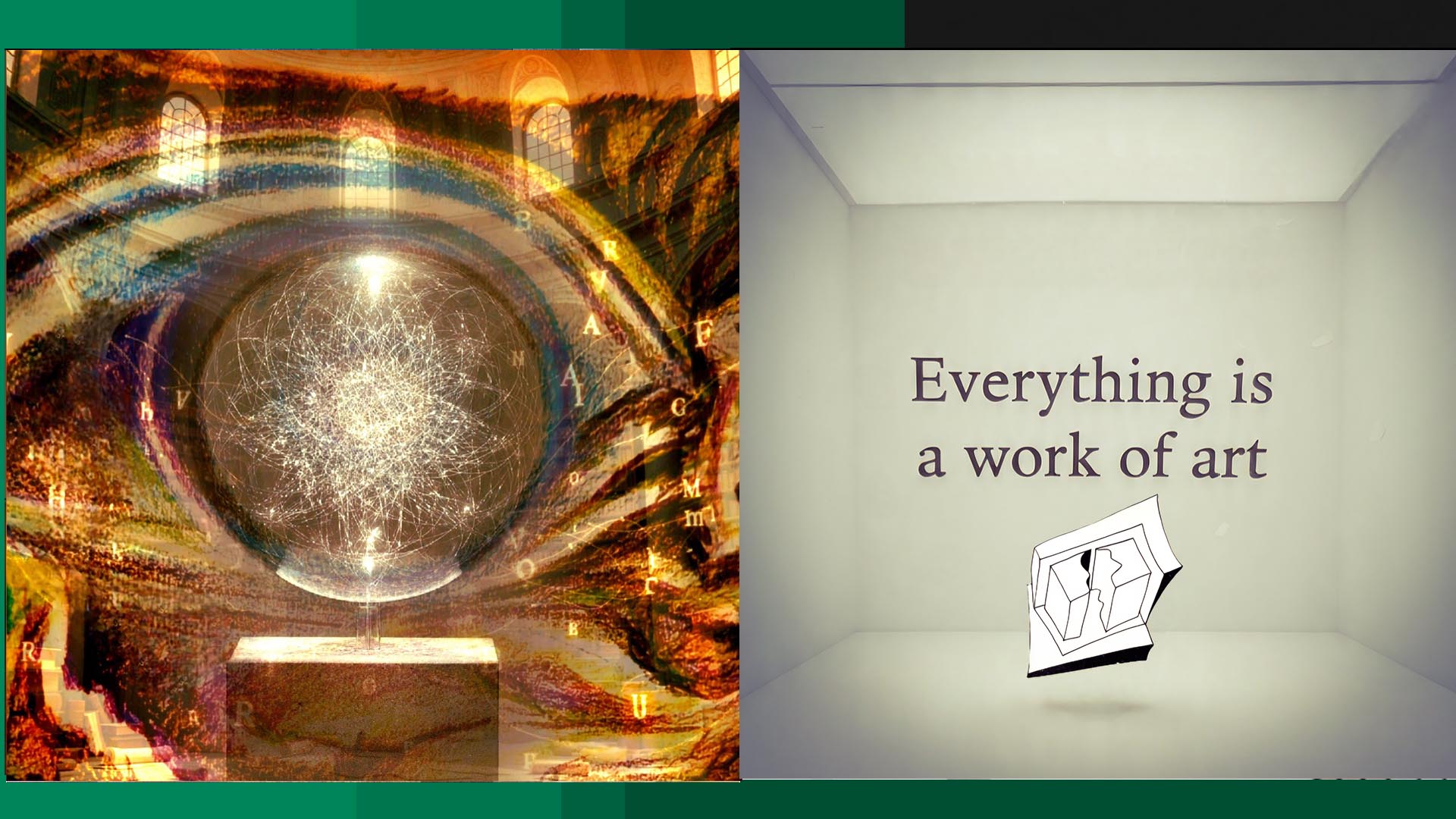
The naming of the object, the practice of pointing, and ultimately their complete abolition, narrow the field of inquiry to the domain of thought alone. With the mottos “Everything is a work of art” and “Everything I touch is a work of art,” the very concept of art and architecture undergoes a radical redefinition.
The organization and transformation of reality, adopted by the avant‑gardes as principles of intervention within the unfolding of history, position the artist in a state of ontological co‑responsibility: he does not merely represent the world but actively participates in its continual re‑foundation.
The machine, elevated to an emblem of the new constructive impulse of industry, emerges as a device capable of generating modes of geometrization that are not merely formal models but operative matrices in which form itself becomes entangled with the kinetic and productive dynamics of the real. Within this entanglement, the technical universe no longer appears as a simple instrument but as a generative principle that reshapes the very modalities of experience and of being.
The most revealing artistic field is the one that investigates the human–machine analogy: a conceptual device that, in its attempt to alter the temporal course of space, employed language as a tool for disseminating and amplifying the new model. The avant‑garde of the revolution, proclaiming the advent of a renewed art, open to the world of technology and capable of acting upon every aspect of reality, emerged as the recurring theme across the manifestos of transformation.
Above all, Futurism introduces this dimension of artistic inquiry with the explicit intention of integrating itself into. and ultimately imposing itself upon, the entire ideological system. The art of totality would then decisively dismantle the boundaries separating painting, sculpture, architecture, music, dance, and every other discipline.
True cathedrals of art were erected, built from simplified, rational, and all‑embracing forms, where the production of objects merged seamlessly with theatrical staging. Within these spaces, lessons in analysis and in the creation of the new modern artifact were carried out, turning the site itself into a laboratory of transformation.
The magnetic core of Gropius’s thought touches the boldest definitions of the universe, where form and color bear the imprint of his fascination with their qualitative correspondences, an intuition already explored by the Symbolists at the end of the nineteenth century.
Point, line, surface; theories of form and figuration; endless natural histories and other narratives of the sign all reveal the immateriality of matter, shifting its values from the purely formal to those that concern the inner spirit residing within it.
Engaging in a certain kind of play even in adulthood confirms what many scientists have often remarked: new ideas are born by “playing” with old ones. What one generation may dismiss as mere fantasy can become reality for the next. The boundary between play and seriousness in scientific creation is never sharply defined—not even among scientists themselves, who have frequently embraced science fiction, as in the case of Fred Hoyle, author of The Black Cloud.
he drive to accelerate industrialization was not merely an economic decision, but the opening of a fracture. On one side stood the current that sought to preserve the alliance with the peasant masses, integrating their archaic rhythms into the industrial effort; on the other, the faster, extractive line, which drew resources from the countryside at the peasants’ expense, promising a future refounded through collectivization and the machine.
Within this field of tension, the replacement of the sickle with the agricultural machine was not merely a technical advance but a symbolic gesture: the tractor emerged as the emblem of a new temporality, capable of rewriting the cycles of production and transforming labor into a mechanized continuum. Modernization did not advance only across the fields; it advanced within time itself, reshaping it, disciplining it, converting it into a form of social energy.
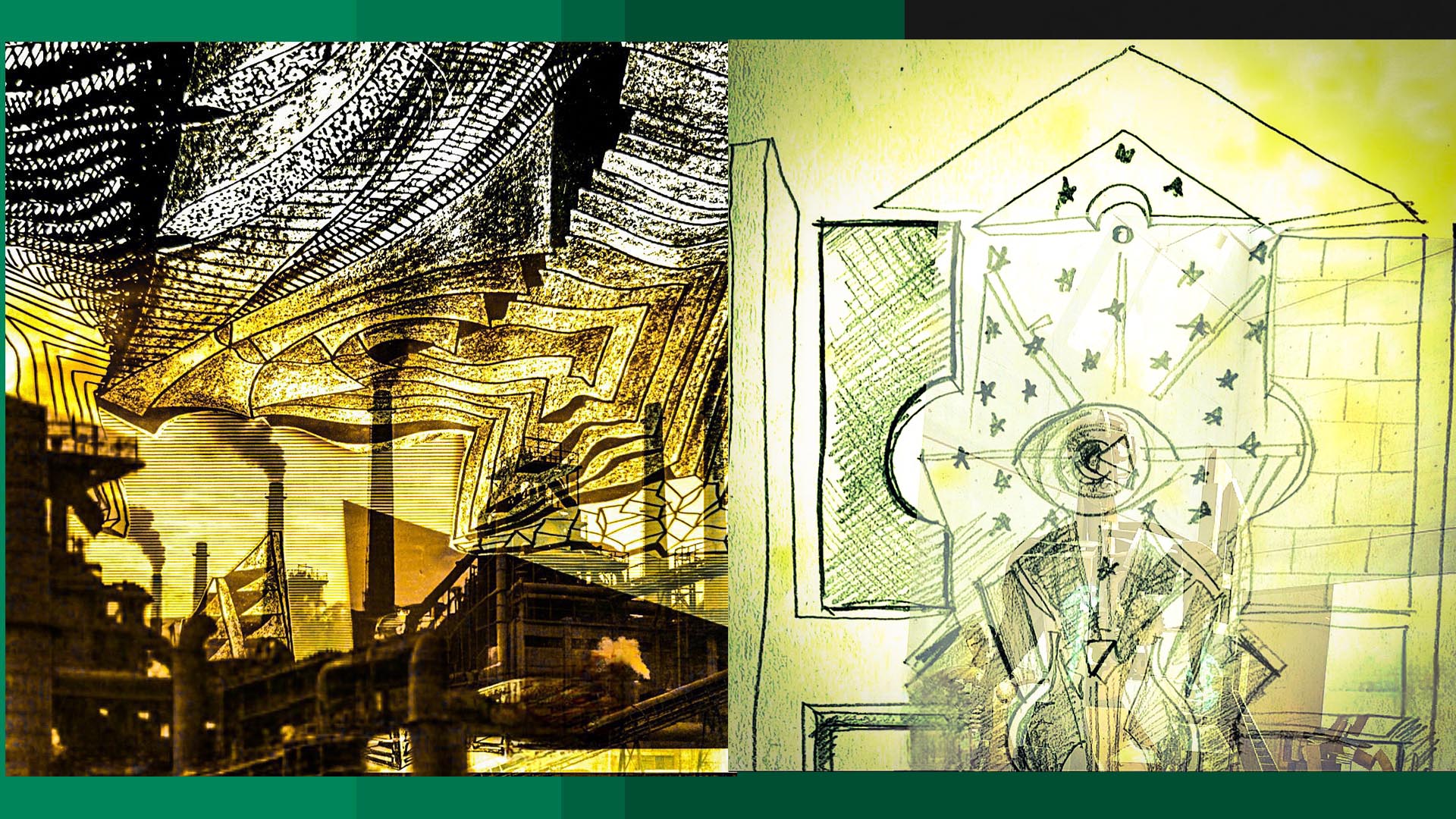
The need for an economic plan capable of reaching every region of the country took shape in a programmatic line that also envisioned the collectivization of the countryside. The new giants of steel, mechanics, and chemicals became the places where men, driven either by determination or by despair, laboured under harsh conditions to build the country’s industrial future: some out of necessity, others compelled by force.
From Matter to Thought: Spherical Aesthetics and the Metamorphosis of the Object
Art, once materialized and codified in the produced object, aligns,
through the technical expansion of language, with the growing range of uses that the object can embody. The sculptures of the realist‑constructivists, not necessarily intended to reshape the urban environment, explore formal models that push the principles of classical sculpture toward new developments in time and space.
In the work of Gabo and Pevsner, where matter becomes the new delimiter of space, both quantifiable and physical‑spiritual, their flexibility, ductility, and transparent compositeness function less as expressive devices than as gateways to a more radical spatial dimension of being, one that is continuously unfolding.
Through these perspectival intersections of material space, the object’s function is initially aesthetic, only later transformed—within utilitarian frameworks—into a “daily” instrument of the present. With Productivism, however, a specific stratum of material realization is isolated, one that, for evident linguistic and ideological reasons, elevates technique. In this direction, one witnesses a celebration of materiality itself, which brings to the foreground the values of industrial civilization. The historical problem of a‑historicity in avant‑garde phenomena is thus reformulated as the emergence of a “new” history of the values generated by that very civilization.
Arranging the models in analogy with their intrinsic values forms a satellite matrix orbiting the Bauhaus. In Gropius’s project, the drive to dissolve the partitions between expressive forms and to approach the horizon of a total artwork, unfolds as an ever-widening parallelism of techniques. Within architecture, this parallelism emerges as a transversal passage through the arts, evident in De Stijl yet even more radical in Italian Futurism, where plastic constructions become vectors for the shifting, multi-perspectival tensions of the linguistic field.
Theories of the object‑form, which, originating from the pictorial plane, seek to surpass painting in order to become a plastic element and, in turn, to go beyond sculpture by manifesting themselves within architecture, identify in El Lissitzky a rare articulation of formalism. Painting and sculpture, understood as construction rather than representation, are absorbed and totalized within the architectural function, albeit only in its optical‑perceptual form of operation. Alongside the program of political action, the modern problems of art are confronted, while awaiting a formal account of the long‑desired phase of separation among the various artistic languages.
The functionality of a chair, when compared to that of a sculpture operating within Neoplastic or Futurist languages, differentiates the use of one from the other, even as both objects remain linked through the qualitative relations that structure their respective concepts.
In a parallel manner, architecture, supported by the rising influence of technology and psycho‑technique,
realizes its specific forms by synthesizing the totality of the arts.
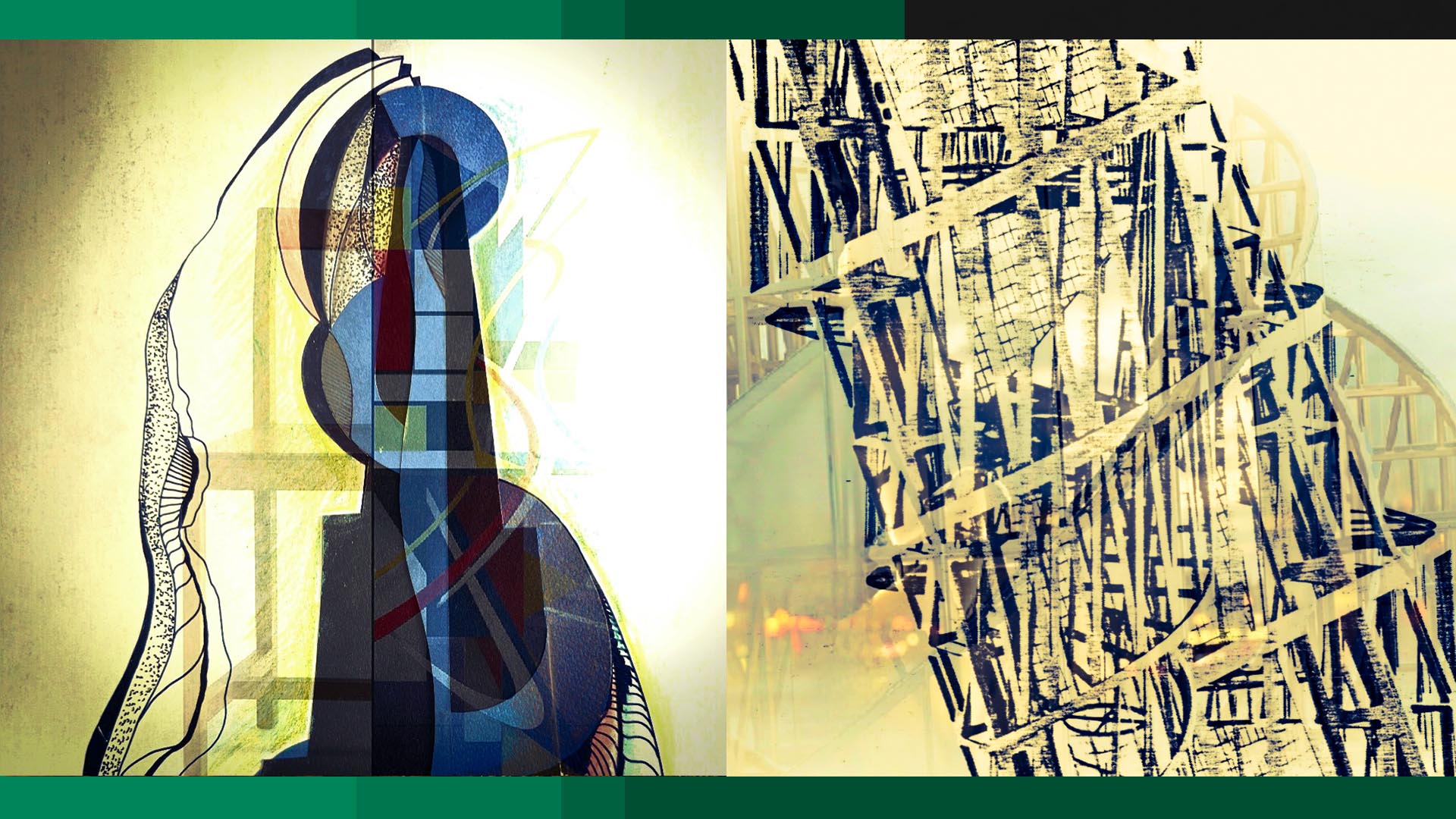
A relation between visible and invisible space will therefore bind architecture to the model of its own representation, exposing or concealing itself behind the glass surfaces of Tatlin’s Monument to the Third International, and transforming the architectural object into a sensitive, perceptible form.
A more intense appropriation of the analogical spaces of art will replace the object with the non‑object, and vice versa, alternating in a pendular motion the irregularity of the rule, understood as the passage from form to non‑form. The cube, the pyramid, and the cylinder, exemplified by Tatlin’s Monument,
materialize the phenomenal state of the geometrization of form. The regularity of the geometric premise, which in spherical motion embodies the three spatial axes, clearly alludes to its own transcendence within an expanding spherical geometry.
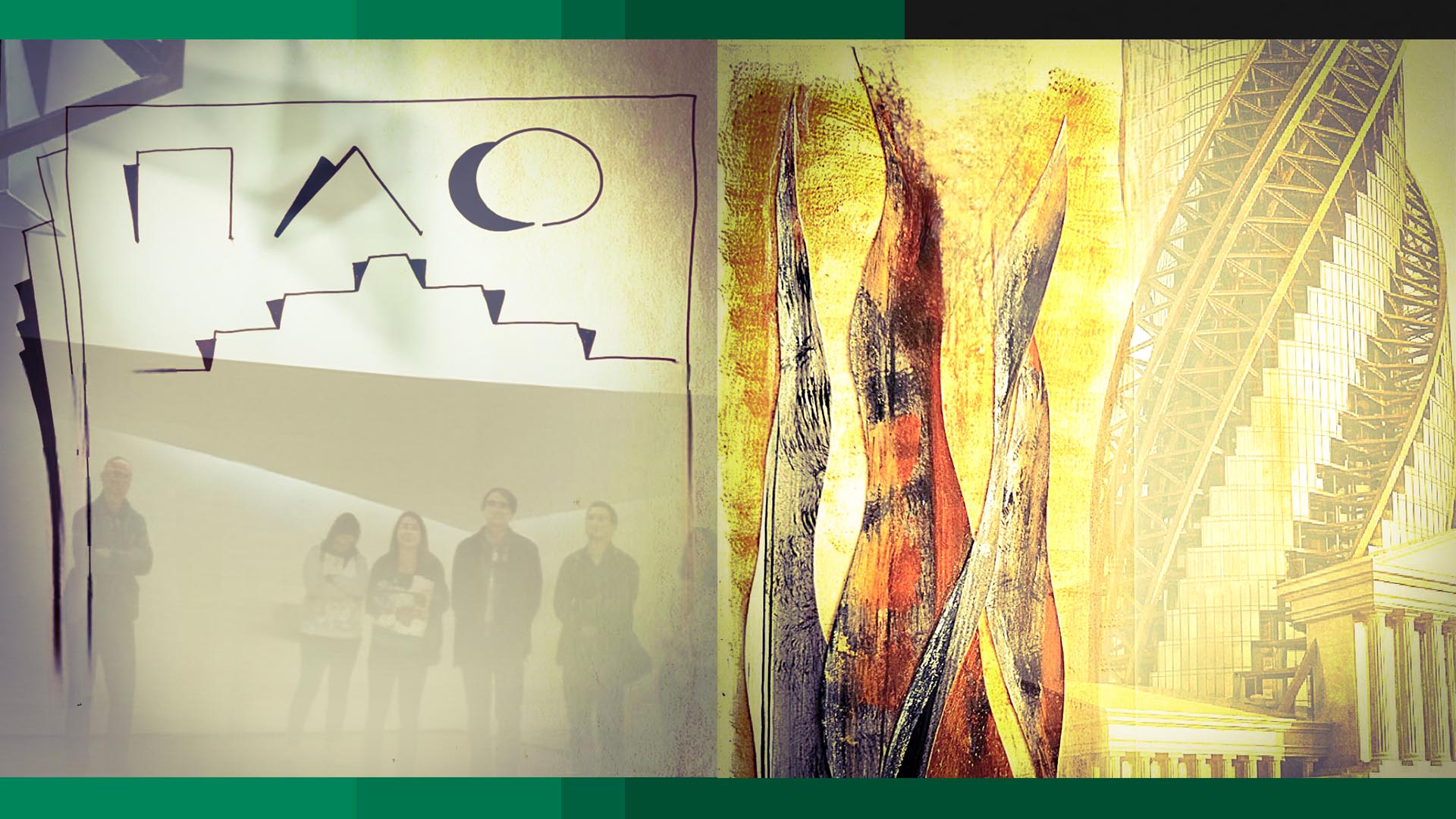
The utopian skyscraper envisioned by Tatlin would have stood as a tower of knowledge, mirroring the motion of the matter that composes it; the spiral sustaining its ascent would have rendered visible the force inherent in the dynamics of abstraction. Techniques suitable for a modern architectural proposal, though imbued with the commemorative value of the machine, stand in contrast to the techniques of the New Classic, in which the interpenetration of archetypes allows for symbiosis and the sliding of one form into another.
The model, in this extreme configuration, unfolds as the definition of a mimesis inscribed within the processes of exchange among the physical qualities of matter, according to a method that leads the object toward its own de‑physicalization and its transposition into a non‑object. The interpenetration of the primary elements of architecture does not limit itself to a mere structural contact; rather, it establishes the possibility of a formal ascent toward the polymaterial expressions of being. Thus, a wall, in the very act of its dilation, opens the possibility for action to penetrate a virtual section of itself, instituting a regime of correlation and exchange between meanings and their signifiers. Within this dynamic, the two primary qualities of matter become verifiable, manifested in the differing psycho‑physical conformations of container and content, now reconfigured as polarities in continuous transmutation.
A first and lucid line of inquiry examines the possible relations between the phenomenal world of the sensible and that of the imaginary, assessing within these components of the psycho‑physical system a plausible material appropriation of the various levels of perception. The spiritualist investigations of the avant‑garde artists point toward the multiple real‑world applications of metaphysical arguments; Van de Velde’s analytical techniques on the line, and on the force it both imprisons and releases, together with the Piranesian prisons, where the perspectival “leap” from one space‑time to another renders visible a morphological configuration of montage‑like illusion, identify an evolutionary stage in the development of architectural language.
In certain modern interpretations of architecture, where it is no longer understood merely as the design of containers for human activities, whether at the scale of buildings or of cities, there emerges an attempt to define what lies at the very foundation of constructed matter: first its symbolic charge, and then its more abstract, primordial essence. Designers increasingly select materials that most effectively correspond to the expressive demands of form. This pursuit does not simply reflect the shift from an “human–nature” paradigm to a “human–machine” one; it also evokes the ambiguous, ever‑shifting nature of matter itself, its continuous transformation, its simultaneous being and becoming
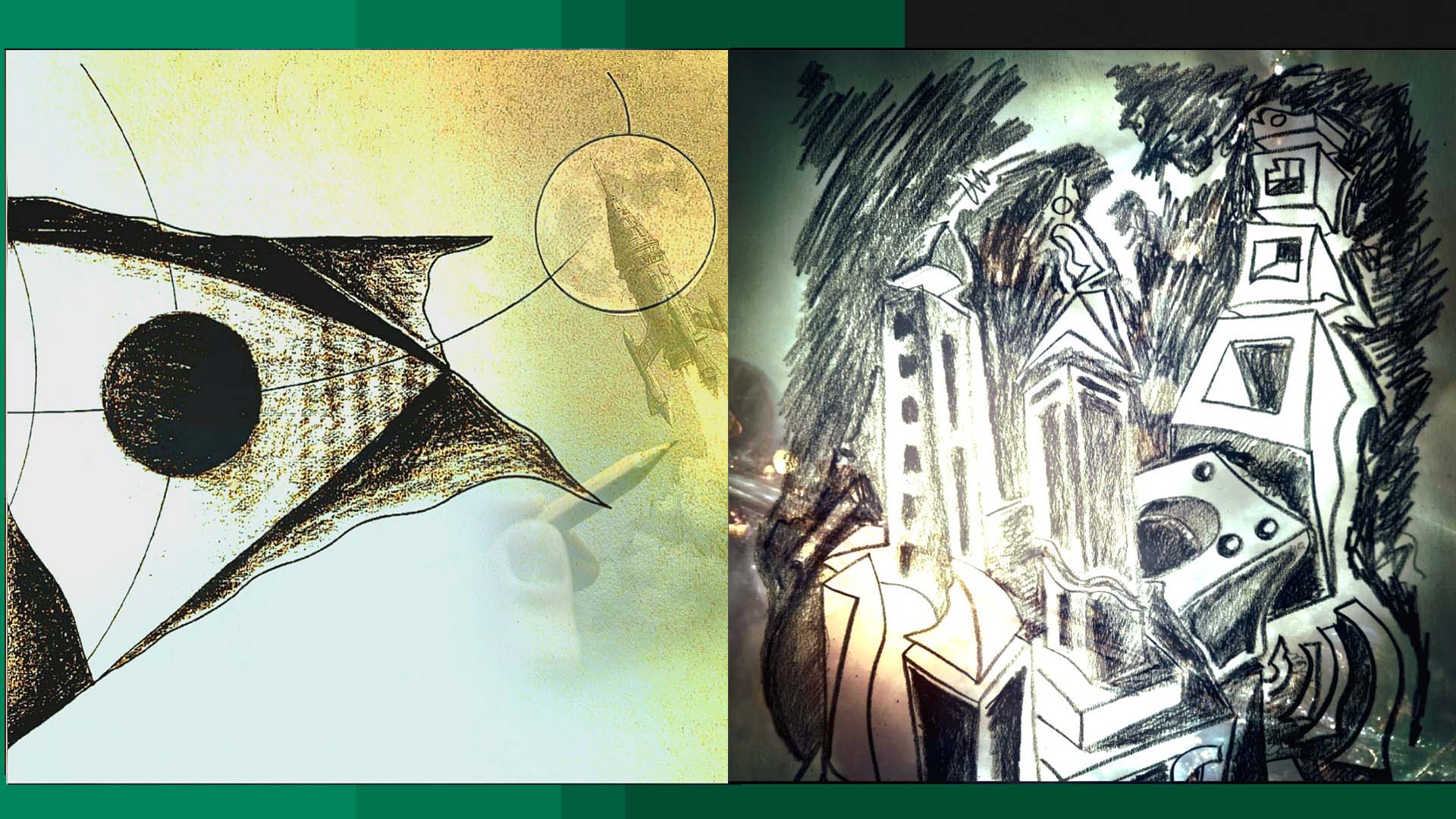
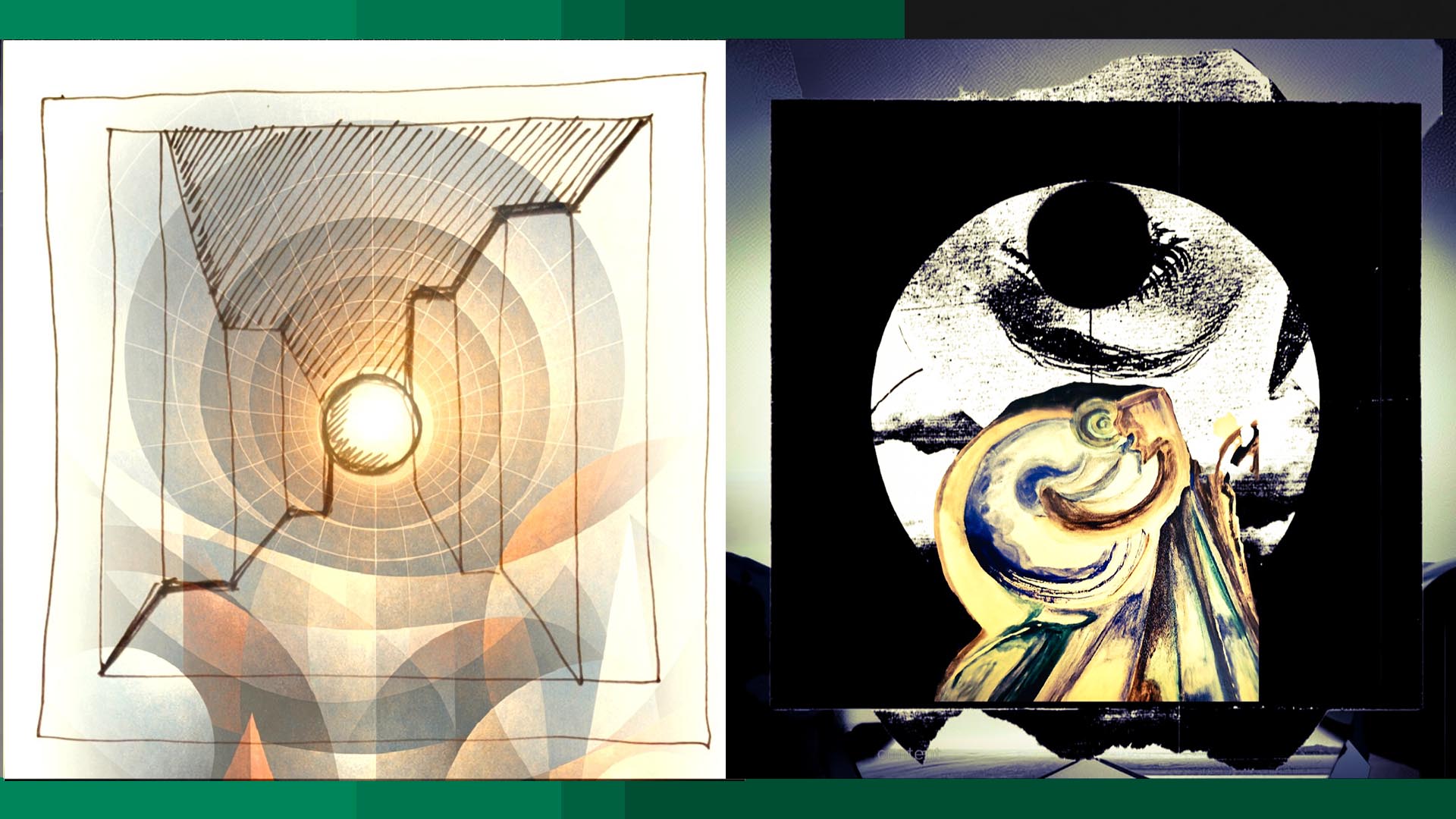
The geometric simplification of the stylistic nuclei under consideration enables a transition from art to a veritable science of art, derived through the extraction of analytically significant content. Spherical geometric evaluations confer upon the curvilinear structure the quality of ontological uniqueness, inscribed within an infinite system. The spherical dilation, proceeding uniformly from the central point that finds in the human being its generative fulcrum, progressively deepens the degrees of knowledge, drawing upon the established techniques of inquiry and research while simultaneously integrating the cognitive devices offered by the key of a third eye, capable of rigorously discerning the possibilities of transmitting and articulating language.
The sphere of the sensible converges with that of the imaginary at several nodal points within the architectural structure: the sensible excites the imaginary.
Within the imaginary, a revaluation of expressive and communicative capacities takes place; the imaginative state, often manifesting in a hypnotic form, produces precise estrangements from architecture itself, capturing analytical fragments suitable for the material realization of the object.
Yet the utopia of architecture still envisions objects destined for use, that is, for the formalization of matter.
The sensible apparatus is entrusted with the task of intercepting the language emitted by each individual quality of the object. Within this framework, the intervention of imagination, rooted in the sphere of intuition, opens a field of play that, in certain exceptional cases, transforms science fiction into science, sometimes within only a few decades.
An overestimation of the faculties traditionally acknowledged by science, together with other unexpected ones that have long resisted definition, fuels the continuous oscillation of one sphere within another. Each sphere folds into the next, alternating partial rhythms with total ones, unifying them and establishing a temporal constant that ultimately comes to prevail over space.
In the same way, the image tends to prevail over the object, reaching the point of collision and disappearance. A careful management of time and space will allow matter to materialize according to a language already predisposed to communication. Architecture, immersed in a space governed by time, thus prepares to formulate its own words; and the linguistic use of its terms will inevitably undergo the alterations produced by a culture moving in a dilatory expansion toward universal circularity.
The new phenomenologies of space‑time acknowledge the centrality of the object’s presence, to the point of employing its virtual manifestation as evidence of its existence within the real spatial field of bodies. The universalization of language, made possible through perspectival intersections between different expressive systems, opens the way to perceiving new aesthetic and artistic values of matter in its modern, electronically configured condition.
As informational space multiplies, architecture unfolds within the digitized interactions of contemporary technology which, while granting the machine the creative power of the idea, situates its gravitational centers within model‑levels internally linked to the material world, yet of a qualitatively different order.
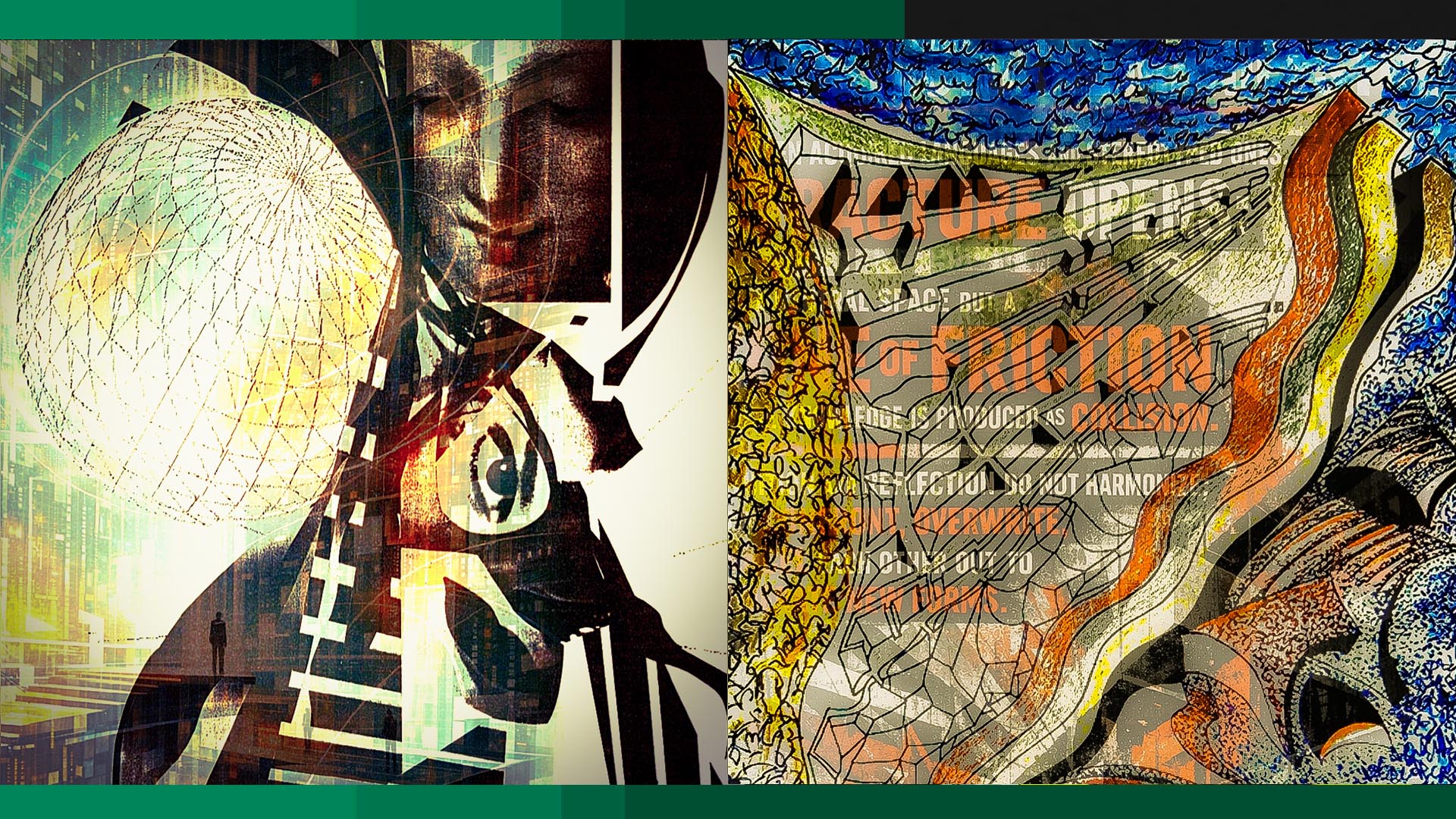
Between acquired languages and stereotyped ones, a fracture opens: not a neutral space, but a zone of friction where knowledge is produced as collision. Here, intuition and reflection do not harmonize; they confront each other, overwrite each other, cancel each other out to generate new forms.
Architecture emerges from this very friction, as an act of insubordination against every inherited syntax.
The eternal rhythm of the pendular motion is not a metaphor: it is the primary structure of being. It exposes the binarity that may constitute us, mental light and sensible matter, abstract impulse and the density of the real, an energetic field that cannot be reconciled.
Architecture must take this tension as its own material, not to resolve it, but to intensify it.
Between the mental‑sensory spark and the phenomenology of matter there is no continuity—only a brief, intermittent, unstable interval.
It is within this interval that form is decided.
It is within this interval that architecture must intervene as an act of rupture, as a device that redirects the flow and imposes a new trajectory upon the real.
Architecture does not represent: it intervenes.
It does not describe: it provides direction.
It does not order space: it rewrites it as the operational field of being.
From "Design of New Words"
The Mystic Machine by Filippo Lo Presti 1989