Trasmigration of Form
The inner form of things
Drawing from the currents of history, the position taken by Plotinus proves particularly significant, standing in contrast to the mimetic doctrine of the Greeks and Romans, who believed that representation was the primary function of literary and visual arts. This evolution of form is considered a decisive step in the history of aesthetics: the transition from antiquity to the Middle Ages retraces the same paths left in ancient times, just as modern language relates to the neo currents of the late nineteenth century.
“The arts do not merely imitate what passes before our eyes, but rise suddenly to the ideal forms from which nature was born. And let us not forget that the arts create by themselves; indeed, where something is lacking in nature, the arts add it, for they carry beauty within themselves.”
(Plotinus, Enneads).
The mediation between man and art, in Plotinus, refers to a broader concept: that of ideal forms. More than that, it transfers material form into spiritual form, connecting directly to the vastness of the soul’s world. Beauty is identified in the soul, not in form, color, or size. The key lies in the to en eidon, the “inner form” of things.
Symmetry, having become an external aspect, gives way to the essence of the thing’s parts. Plotinus’ spiritualism marks a pivotal shift in the conception of matter. The attack on the fundamental doctrine of ancient aesthetics, which held that beauty derives from the proportion and arrangement of parts, is synthesized in a new conception: beauty as a quality independent of formal relationships. Symmetry may apply to material objects, but not to spiritual ones. Consequently, the traditional definition of beauty may be suitable for some objects, but not for all.
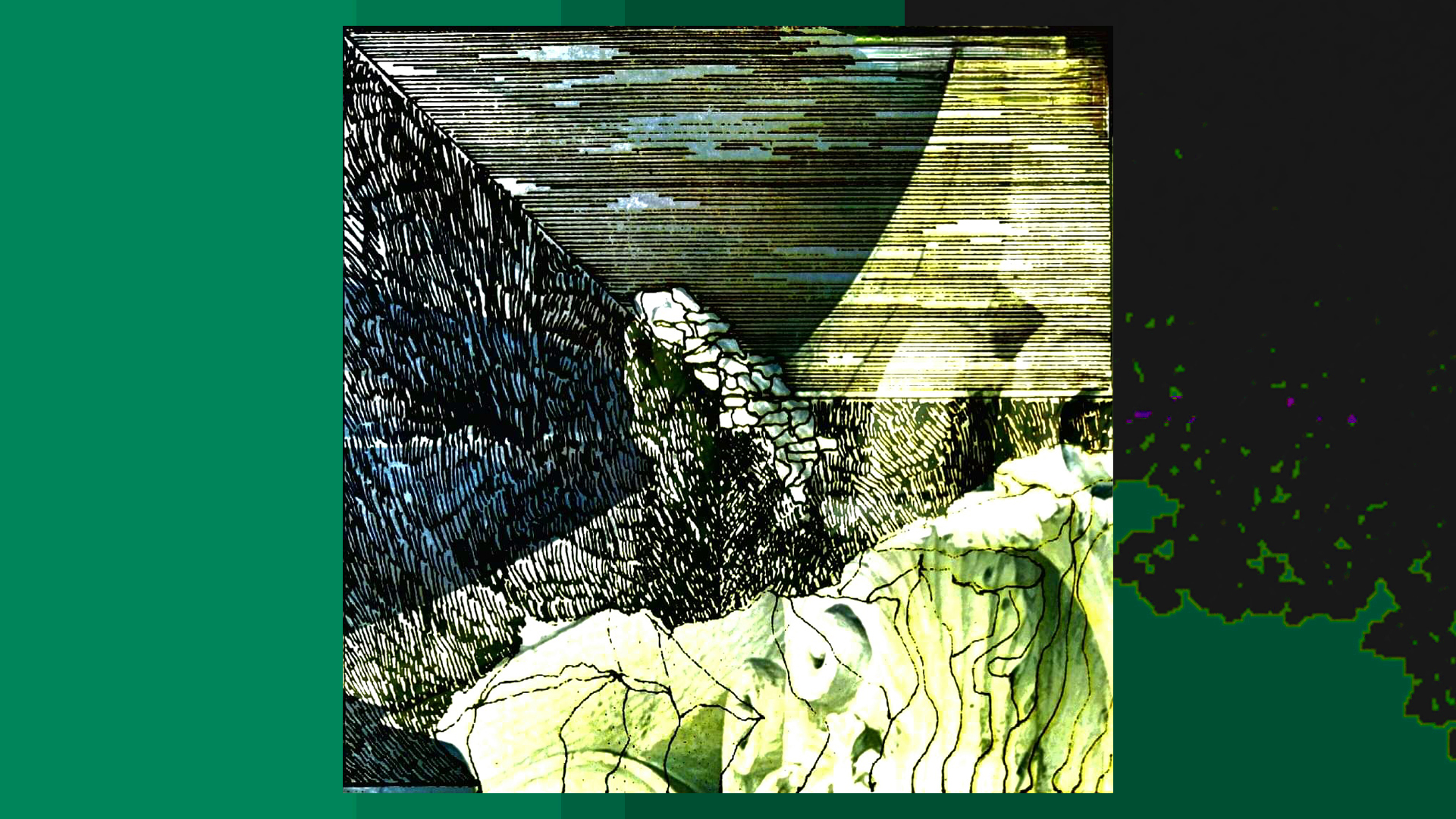
The transition from inner to outer form is the artist’s task, who uses art as pure creation. We face a continuous transformation of the species: no longer imitation of nature, but transcription of the imagined. The comparison between the untouched stone block and the sculpted one becomes a necessary verification of knowledge: the artist’s idea materializes, moving from within to the carved stone.
Art is entrusted with the role of medium between this world and the other or rather, between the ideal image of the model and the image of the inner form. On one side are real objects and visible forms, represented through symmetry and order; on the other, the eternal model born from the artist’s mind. In this way, art becomes the mirror of the spirit, and music, poetry, and visual arts are tasked with giving objects a spiritual form, creating their beauty.
What has been called Plotinus’ unsurpassable achievement is, above all, a modernity of language that does not only concern the realm of art, but sinks its foundations into a broader sphere of action that of the spirit. When, in modern terms, we speak of relationships, symmetries, geometries, functions, it would be wise to reconsider earlier reflections that shape our cognitive repertoire, now elaborated through individual and collective memory, as well as the psyche itself, which constitutes the new concept of spirit.
With the exaltation of functions understood as mere bodily movements, a masterful part of architecture dies, relegated to oblivion to make room for the reasons of the body.
The architecture of the soul, of sensations that dominate man more than functions, becomes the architecture of the spirit, where the harmony of the idea finds space, and its undisputed symmetry is given by the purity of meaning and use. The architecture of the psyche, where corporeal and spiritual mind negotiate a proper mediation, materializes in function but rises from the depths of thought, from the idea.
A modern study on symmetry and the consequent evolution of the term would frighten even the boldest of contemporary architects, who have only managed to coin the asymmetric for lack of anything else.
The emblem of the functionalist era is the sum of elements with an active role in architectural construction. With the classification of passive elements (i.e., decorative), functionalist buildings, rejecting ornament, reduce architecture to the bare skeleton. The International Style, established in 1922, incorporates the technical and compositional acquisitions of modern functionalism, proposing an architectural model focused on the problems of living in spaces designed according to human needs.
The simulation of mechanical flight admits no escape: the tragic disappearance of poetic assumption is compounded by the exacerbated task of the modern architect. Practices that distort the aesthetic evolution of the species contribute to the comatose state of a mechanical architecture, ready to suppress the golden constants of the human species.
The impact between man and machine, produced by technological progress, fails to consider the multifaceted nature of its effects. The continuous abandonment of poetic research in pursuit of constructive perfection imposes limiting conditions: concrete, synthetic materials, iron, and glass demand top priority, transforming order into collective disorder, exploding the primordial element of architecture, which finds space only in the realms of fantasy and imagination.
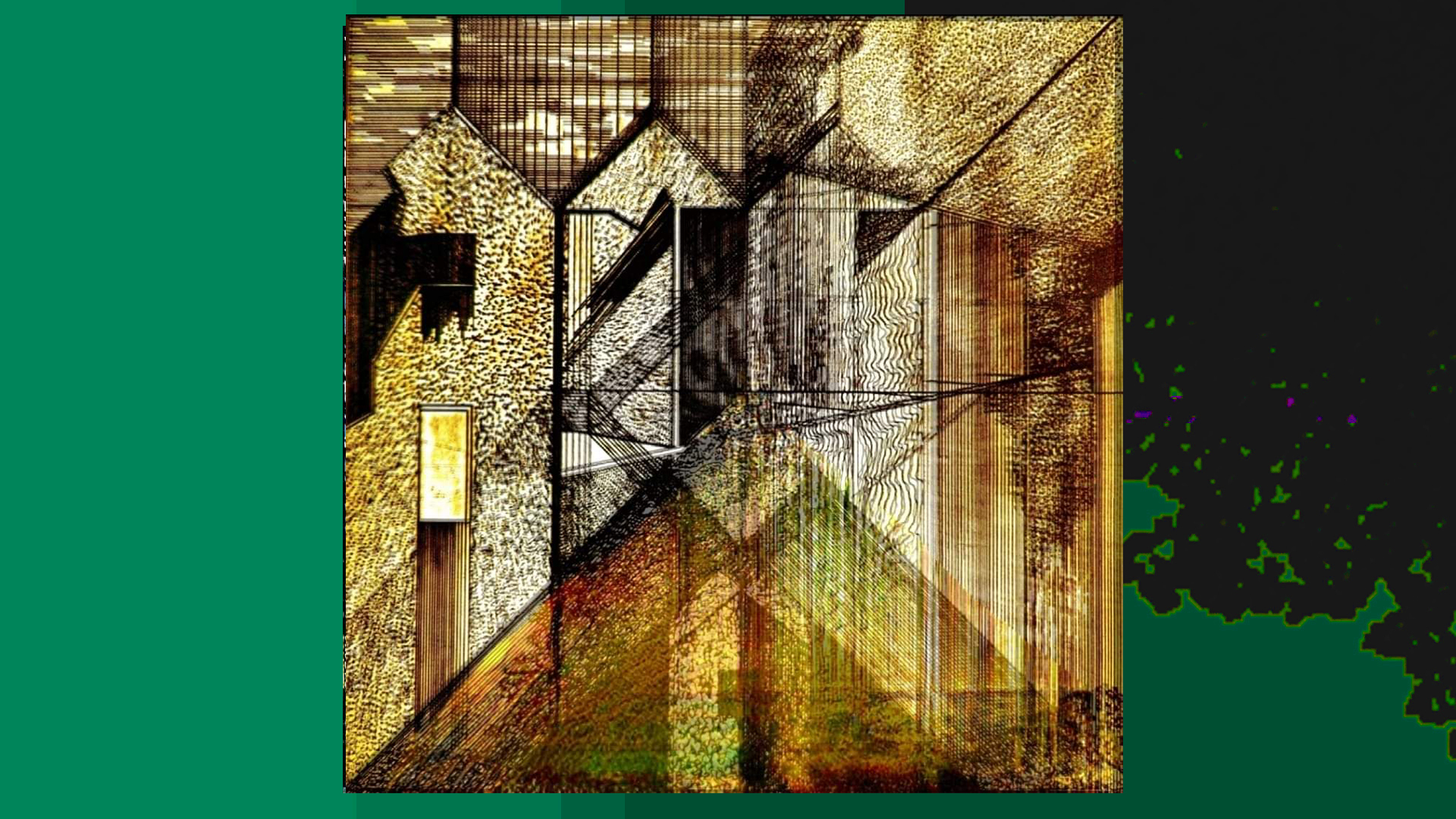
Man-machine-architecture becomes the unresolved enigma of the twentieth century, which cares little for invention techniques or mythic perspectives drawn from the architecture of time; suspended plots await judgment, while swirling staircases without destination soar in anticipation of possible classification and codification.
The architect, impoverished by the constraints of the production world, confines his field within the infernal chaos of prototypes frozen by the very machine that creates work but simultaneously destroys the spirit.
Not even surfaces painted with primary, dazzling colors will suffice to cover the abyss of incongruity proposed by the Modern Movement, awaiting a possible evolution of that hasty sale of vital organs from the repertoire most widely known as the sublime expression of ourselves. The wait and the reckless polemic of so-called moderns may constitute the beginning of an architecture that, with its gaze on the past, lives in the future.
From "Design of New Words" Trasmigration of Form by Filippo Lo Presti 1989